Understanding the Champions League Format
Introduction to the Champions League Format
The UEFA Champions League is one of the most prestigious tournaments in club football, bringing together the best teams from across Europe. Understanding its format is essential not only for avid football fans but also for those who follow the happenings in European sports. As the tournament continues to grow in prestige and competitiveness, changes in its structure in recent seasons have become significant.
Current Structure of the Tournament
The tournament features a total of 32 teams competing in the group stage, which takes place from September to December each year. These teams qualify based on their performance in their respective domestic leagues. The group stage consists of eight groups with four teams each, where clubs compete in a round-robin format, playing each other both home and away.
Following the conclusion of the group stage, the top two teams from each group advance to the knockout stages—commencing with the Round of 16 in February. In these knockout rounds, teams play each other based on a home-and-away leg format, with the aggregate score determining which teams advance. The quarterfinals and semifinals follow this same structure, culminating in the highly anticipated final, usually held in late May. The format ensures not only that the best teams progress, but also allows for dramatic games and unpredictability.
Proposed Changes and Reactions
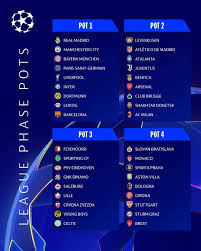
In June 2021, UEFA announced a new format set to commence in the 2024-2025 season, which will expand the tournament to include 36 teams in a single league format rather than separate groups. This change aims to increase the number of matches and enhance rivalries among clubs. Each team will play eight matches against different opponents, after which the top 16 will advance to the knockout stage. The response to the proposed changes has been mixed, with some clubs supporting the idea for increased revenue and exposure, while others raise concerns over fixture congestion and fairness.
Conclusion and Future Implications
The Champions League format plays a critical role in shaping how clubs compete on an international stage. With the new structure on the horizon, fans and teams alike are left pondering how these changes might affect the landscape of European football. Will the proposed format lead to better competition and more engaging football, or will it complicate an already congested calendar? As the tournament evolves, the anticipation surrounding its format highlights the continued significance of the UEFA Champions League within the global sports arena.


