The Evolution and Impact of China’s Bus Industry
Introduction
The bus industry in China has undergone significant advancements in recent years, becoming a critical component of the country’s public transportation system. With a rapidly growing urban population, the demand for affordable and efficient transport options has never been higher. The importance of this industry lies not just in its role in daily commutes but also in its contribution to reducing traffic congestion and pollution.
The Current Landscape of China Buses
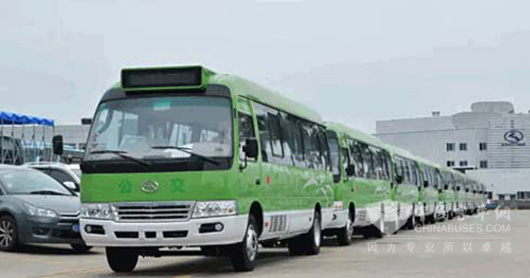
As of 2023, China boasts one of the largest and most advanced public bus networks in the world, comprising over 1,200 cities and thousands of buses. The government has heavily invested in expanding and modernising public transport infrastructure, introducing electric and hybrid buses to promote sustainability. According to recent statistics from the Ministry of Transport, electric buses accounted for nearly 60% of buses in operation in urban areas, significantly reducing carbon emissions.
Leading manufacturers such as BYD and Zhongtong have been at the forefront of this transformation. BYD, for instance, has positioned itself as one of the largest electric bus producers globally, exporting to numerous countries and regions, thereby making a mark on the international stage. The push for green public transport is aligned with China’s broader goals of achieving carbon neutrality by 2060.
Challenges Facing the Industry
Despite its successes, the bus industry in China faces several challenges. Overcrowding in major cities remains a significant issue, as urbanisation continues to outpace infrastructure development. Moreover, the increasing number of vehicles leads to congestion and longer travel times. Additionally, while electric buses reduce emissions, the need for a robust charging infrastructure is becoming increasingly apparent, with many cities still lacking adequate facilities.
Future Trends and Innovations
The future of China’s bus industry looks promising, with a strong focus on innovation. The application of artificial intelligence is expected to revolutionise operational efficiency and passenger experience. Smart buses equipped with real-time tracking, automated ticketing systems, and enhanced safety features are gradually being introduced. Furthermore, investment in smart transport solutions is being prioritised to streamline operations and improve service quality.
Conclusion
The bus industry in China has not only adapted to the needs of a growing population but is also paving the way for a more sustainable future. As the government and private sector continue to invest in innovations, the role of buses in urban mobility will likely become even more significant. With ongoing efforts to expand infrastructure and enhance technological integration, China’s bus network is poised to lead the way in modern public transport.


