The Enduring Legacy of Margaret Thatcher
The Significance of Margaret Thatcher
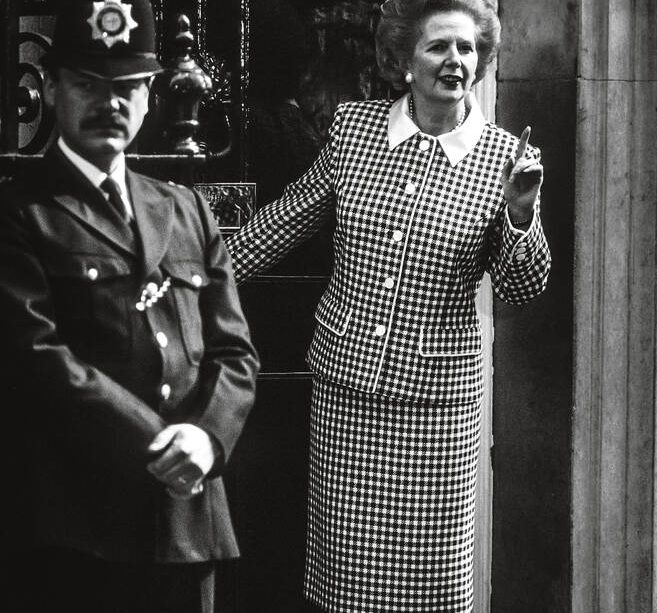
Margaret Thatcher, the first female Prime Minister of the United Kingdom, remains a pivotal figure in British history. Serving from 1979 to 1990, her tenure is marked by transformative policies that reshaped the political landscape. Thatcher’s leadership style, referred to as ‘Thatcherism’, emphasised deregulation, privatisation, and a strong stance against the Soviet Union during the Cold War. Understanding her impact is crucial as it informs contemporary political discussions and economic policies.
A Brief Overview of Her Policies
Thatcher’s government implemented sweeping changes that included significant economic reforms aimed at reducing the power of trade unions and rolling back state intervention in the economy. One of her most notable achievements was the privatisation of state-owned industries, such as British Telecom and British Gas, which not only boosted competition but also set a precedent for future governments.
Her approach also included a significant reduction in direct taxes for individuals, fostering a culture of entrepreneurialism across the nation. However, this economic strategy sparked controversies, particularly regarding its impact on social welfare and public services, with critics arguing that it led to increased inequality.
Foreign Policy and Cold War Influence
In the realm of foreign policy, Thatcher’s staunch anti-communism complemented the geopolitical strategies of the United States during the 1980s. Her relationship with US President Ronald Reagan was described as a ‘special relationship’, and her policies significantly aided in the West’s strategies against the Soviet Union. This alliance was instrumental during pivotal moments, such as the Falklands War, where her decisiveness and refusal to back down helped solidify her image as a strong leader.
Controversial Legacy
Despite her successes, Thatcher’s legacy is not without controversy. Her policies often faced backlash, especially during economic downturns in the 1980s. Internal divisions within the Conservative Party and widespread protests against her measures culminated in a complex public perception that vacillates between admiration and criticism. The divisions created during her time in office continue to influence British politics today.
Conclusion
Margaret Thatcher’s influence is still felt in the UK and beyond. Her policies sparked debates that resonate in contemporary political dialogues, and her unique leadership style paved the way for future generations of politicians. As discussions surrounding her legacy continue, it remains important for citizens to engage critically, reflecting on both the achievements and the consequences of her time in power. Understanding these dynamics shapes the future of British politics and national identity.