National Trust: Caring for Britain’s historic houses and landscapes
Introduction: Why the national trust matters
The National Trust plays a significant role in preserving Britain’s built and natural heritage. Founded through formal articles of association submitted to the Board of Trade, the Trust was registered under the Companies Act on 12 January 1895 with the explicit purpose to “promote the permanent preservation for the benefit of the Nation of lands and tenements (including buildings) of beauty or historic interest”. Its work touches on cultural history, landscape conservation and public access, making it relevant to visitors, local communities and anyone interested in heritage.
Main body: Scale, holdings and public access
Historic houses and estates
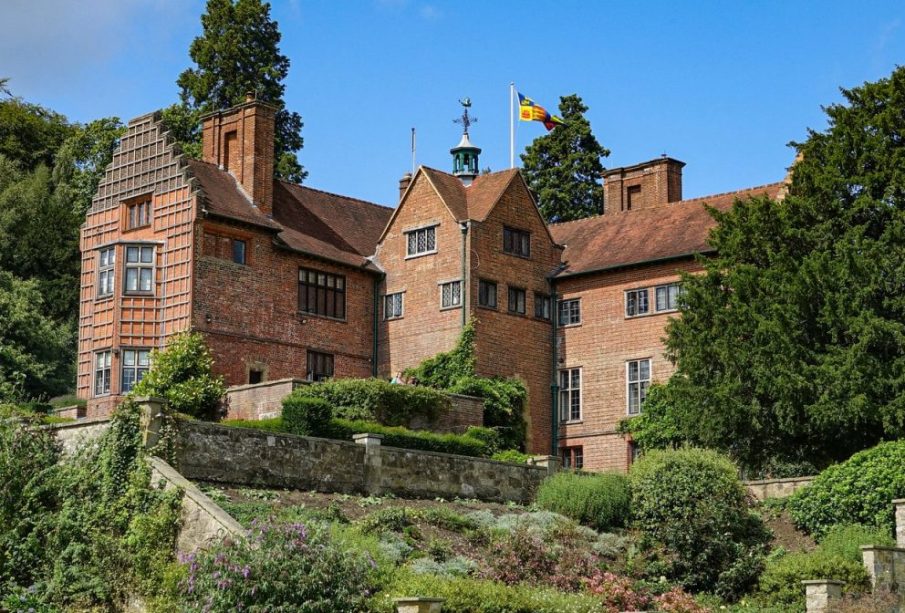
The Trust owns more than 200 historic houses that are open to the public. These properties often include attached parks and home farms; for example, at Wimpole Estate in Cambridgeshire the home farm is open to visitors. Some parks attached to country houses are open free of charge, while others operate an admission charge.
Land, farms and natural areas
Most National Trust land—about 200,000 hectares (490,000 acres; 2,000 km2; 770 sq mi)—consists of tenant or in-hand farms. Public access on much of this farmland is limited to rights of way and, in some places, additional permitted routes. Beyond farmland the Trust also owns forests, woods, downs and moorland. These wild and semi-natural areas are generally open to the public free of charge, providing spaces for recreation and nature appreciation.
Public profile and outreach
The Trust maintains a visible public presence; for example its official Facebook presence records more than one million likes and thousands discussing its work. Related organisations and tour operators, such as National Trust Tours, have for over 50 years offered programmes that explore traditions and cultures, reflecting broader public interest in heritage experiences.
Conclusion: Significance and outlook
The National Trust’s century-long remit to preserve places of beauty and historic interest remains central to its identity. Its combination of historic houses, extensive rural holdings and publicly accessible natural areas means it continues to balance conservation with visitor access. For readers, this signifies continued opportunities to visit and learn from protected sites, while recognising the practical limits on access across working farms and certain estate areas. The Trust’s role is likely to remain important for heritage preservation and public enjoyment in the years ahead.