How to Use a Wordle Hint: Tips, Techniques and Starting Words
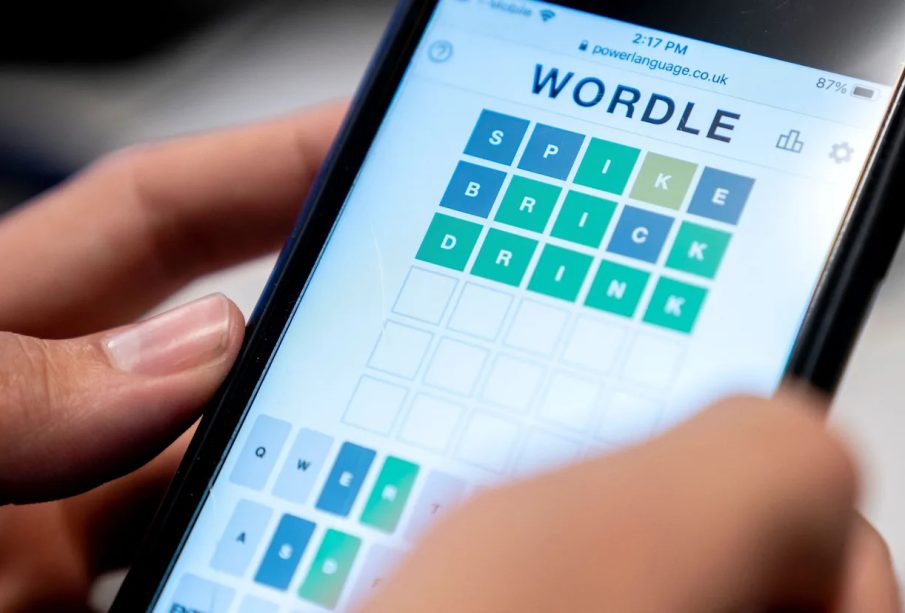
Introduction: Why a wordle hint matters
Wordle remains a popular daily word puzzle that tests vocabulary, deduction and pattern recognition. A single good wordle hint can shorten the game, reduce frustration and help players learn how to read feedback from guesses more effectively. Whether you play casually or try to preserve a long win streak, understanding how to use hints improves decisions on starting words, follow-up guesses and risk management.
How Wordle hints work and why they’re useful
In Wordle, each guess yields coloured feedback indicating correct letters in the right place, correct letters in the wrong place, or letters not in the solution. A wordle hint is any piece of information that refines the pool of possible answers: a suggested starting word, an indication of letter frequency, or a targeted recommendation after one or two attempts. Hints help prioritise high-value letters (common consonants and vowels) and reduce reliance on random guessing.
Common types of hints
- Starting-word hints: recommendations that balance vowels and common consonants to maximise information.
- Pattern hints: guidance on likely positions for certain letters based on previous feedback.
- Elimination hints: advice on which letters to avoid next to test new possibilities.
Main body: Practical strategies using a wordle hint
Start with a word that covers several common letters and at least two vowels; examples often suggested include words that mix frequent consonants (such as R, T, N, S) with vowels (A, E). After the first hint or feedback, prioritise guesses that introduce new high-frequency letters rather than repeating unhelpful ones. Use positioning hints to lock in letters: if a hint indicates a letter is present but misplaced, try it in a different position while introducing fresh letters.
Balance exploration and exploitation. Early in the game, favour exploration to narrow possibilities quickly. Once you have confirmed letters and positions, shift to exploitation—testing specific word options that fit the known pattern. In harder modes or when maintaining a streak, treat hints conservatively to avoid giving away too much information at once.
Conclusion: What readers should take away
A considered wordle hint can transform how quickly you solve puzzles. By choosing informative starting words, using pattern and elimination advice sensibly, and adapting playstyle from exploratory to confirmatory guesses, players can improve success rates and enjoy a more satisfying challenge. Regularly reviewing which hints helped most will refine your approach and make future games more efficient.


