Celebrating the Legacy of Mary Tyler Moore
Introduction
Mary Tyler Moore was more than just an actress; she was a trailblazer who transformed television and brought strong female characters to the forefront. Her impact on the industry and popular culture continues to resonate, highlighting her role as a pioneer in television history. As we reflect on her life following her passing in January 2017, it is essential to understand the significance of her contributions to the entertainment world.
Rise to Fame
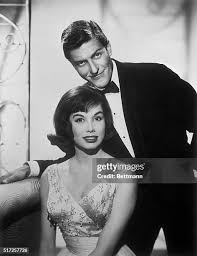
Born on December 29, 1936, in Brooklyn, New York, Mary Tyler Moore began her career as a model before transitioning to television. She gained national fame in the 1960s with the sitcom The Dick Van Dyke Show, portraying the charming and witty Laura Petrie. This role showcased her comedic talent and paved the way for her most iconic character, Mary Richards, in the 1970s hit series The Mary Tyler Moore Show.
Groundbreaking Work
The Mary Tyler Moore Show was revolutionary for its time, featuring a single woman working in a male-dominated newsroom. The series tackled serious social issues, including gender roles and workplace dynamics, all while maintaining its comedic essence. Moore’s portrayal of Mary Richards resonated with countless viewers and helped to shift societal perceptions of women in professional environments. The show earned numerous awards and solidified Moore’s place in television history.
Legacy and Impact
Throughout her career, Moore was recognised for her versatility, excelling not only in comedy but also in drama, with notable performances in films such as Ordinary People and That Touch of Mink. Her production company, MTM Enterprises, produced several successful series, furthering her influence in the industry. Moore advocated for various social causes, including animal rights and diabetes research, especially after her own diagnosis with Type 1 diabetes.
Conclusion
Mary Tyler Moore’s legacy is a testament to her talent and the barriers she broke down for women in entertainment. As audiences continue to consume her work, her influence on television and popular culture remains ever-present. Moore’s commitment to portraying authentic, relatable characters has not only entertained generations but also inspired future creators to strive for honest representation in media. Today, her spirit lives on, encouraging us to pursue our dreams, challenge norms, and share our stories.