All You Need to Know About the Congestion Charge
Introduction
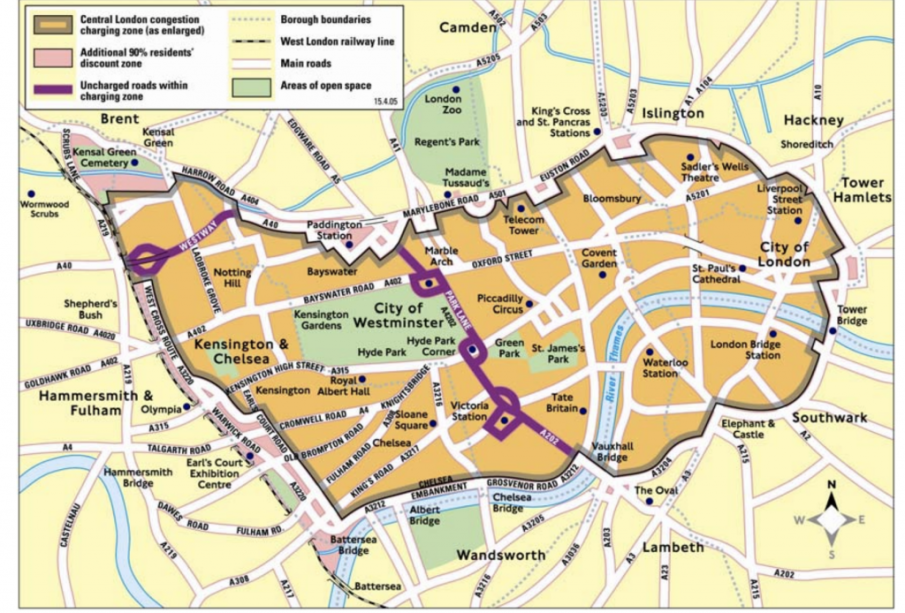
The congestion charge is a fee levied on vehicles operating in certain areas of a city, primarily designed to reduce traffic congestion, lower emissions, and improve air quality. This initiative, first implemented in London in 2003, has served as a model for other cities worldwide. With increasing urbanisation and vehicle usage, understanding the congestion charge becomes more crucial for residents, commuters, and policymakers alike.
The Purpose of the Congestion Charge
The primary goal of the congestion charge is to deter unnecessary vehicle use during peak hours, thereby alleviating traffic congestion. This levy encourages the use of alternative transportation methods, such as public transit, cycling, or walking. Additionally, the revenue generated from the charges is often reinvested into public transport and infrastructure improvements, which benefits city dwellers as a whole.
Recent Developments
As of 2023, cities like London, Greater Manchester, and various international metropolises are either discussing or adapting their congestion charge schemes to meet present-day challenges. London continues to evolve its system with the introduction of a ULEZ (Ultra Low Emission Zone) in conjunction with the congestion charge, aimed specifically at reducing pollution from older vehicles. The expansion of these zones shows a trend towards prioritising environmental health alongside traffic management.
Impacts of the Congestion Charge
Studies show that the congestion charge in London has led to a remarkable drop in traffic congestion, with a reduction of up to 30% in some areas during peak hours. This has not only improved journey times but also enhanced air quality. A 2020 report indicated a significant decrease in nitrogen dioxide levels in central London, attributed in part to the congestion charge and ULEZ implementation. However, the policy does face criticism, particularly concerning its impact on low-income drivers who may struggle to afford the charge.
Conclusion
The congestion charge has proven to be an effective tool for managing urban traffic and improving environmental outcomes. As cities face mounting challenges from population growth and climate change, policies like the congestion charge will likely play an increasingly important role. Residents and commuters are encouraged to stay informed about changes to these regulations, as they directly affect daily travel and urban infrastructure investments. Going forward, the focus will be on ensuring equitable access and balancing the needs of different community members while striving to mitigate the impacts of vehicular congestion.