The Great Wall of China: History, Tourism and Conservation
Introduction
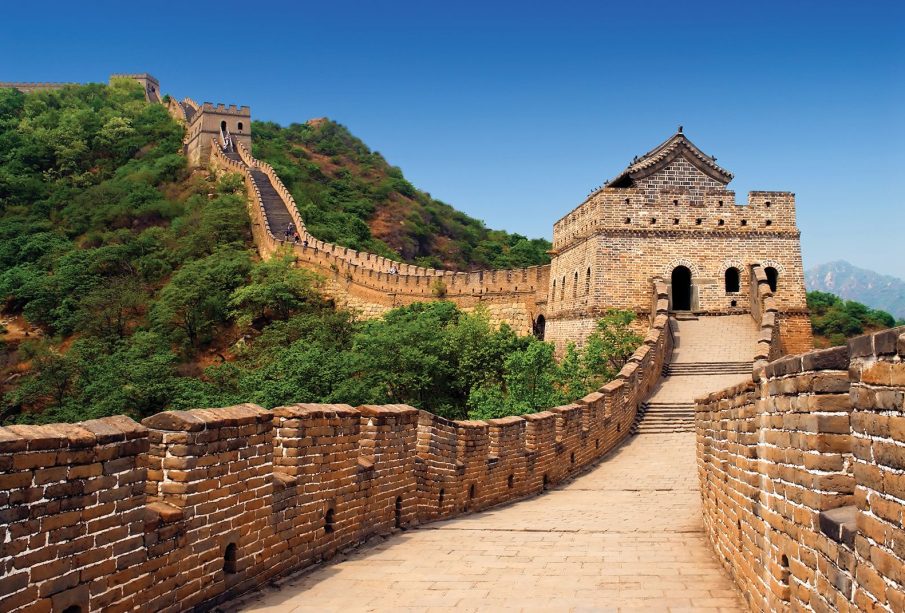
The Great Wall of China is one of the world’s most recognisable cultural landmarks. Its significance lies not only in its scale and visibility but also in its role as a symbol of history, engineering and cultural identity. Understanding the Wall’s relevance helps readers appreciate why preservation, responsible tourism and scholarly study remain priorities for heritage professionals and the public alike.
Main body
Origins and purpose
Built in stages across long periods, the Great Wall served as a complex defensive system and as a means of signalling and control. Different stretches reflect varied construction techniques and materials, adapted to local terrain and available resources. The structure is a testament to historical efforts to protect and administer borderlands, and it embodies centuries of labour, strategy and local knowledge.
Tourism and cultural significance
Today the Great Wall attracts visitors from around the world and features in arts, literature and national narratives. It is a focal point for education about China’s past and a platform for intercultural exchange. Tourism brings economic benefits to adjacent communities and raises global awareness, but it also creates pressures on fragile sections and on local infrastructure.
Conservation challenges
Conserving the Great Wall involves balancing access with protection. Weathering, natural erosion and human activity can damage fabric and setting. Effective stewardship requires careful maintenance, scientific study, and policies that address visitor management, local livelihoods and landscape protection. Collaborative approaches that involve local authorities, heritage experts and community stakeholders are central to long-term preservation.
Conclusion
The Great Wall of China remains a powerful cultural and historical asset. Going forward, its survival will depend on sustainable tourism strategies, informed conservation practice and ongoing public engagement. For readers, the Wall offers both a window into past human endeavour and a reminder of contemporary responsibilities: to visit thoughtfully, support preservation efforts, and appreciate the complex heritage that such landmark structures represent.





