Understanding Shipwrecks: Definition, Causes and Salvage
Introduction: Why shipwrecks matter
Shipwrecks are a recurring element of maritime history and contemporary concern, spanning literal sunken vessels to broader notions of irretrievable loss. Understanding what constitutes a shipwreck, the causes behind them and their environmental and legal consequences matters for heritage, safety and coastal management. Definitions from established references underline both the physical and symbolic scope of the term.
Main body
Definitions and common causes
Authoritative dictionaries define shipwreck in layered ways. Merriam-Webster lists meanings ranging from a wrecked ship or its parts to the destruction or loss of a ship and even an irretrievable loss or failure. The Cambridge English Dictionary describes a shipwreck as an accident in which a ship is destroyed or sunk at sea, especially by hitting rocks, or the ship that has been destroyed in such an accident. These definitions highlight that shipwrecks may be both events and physical remains.
Environmental factors and damage
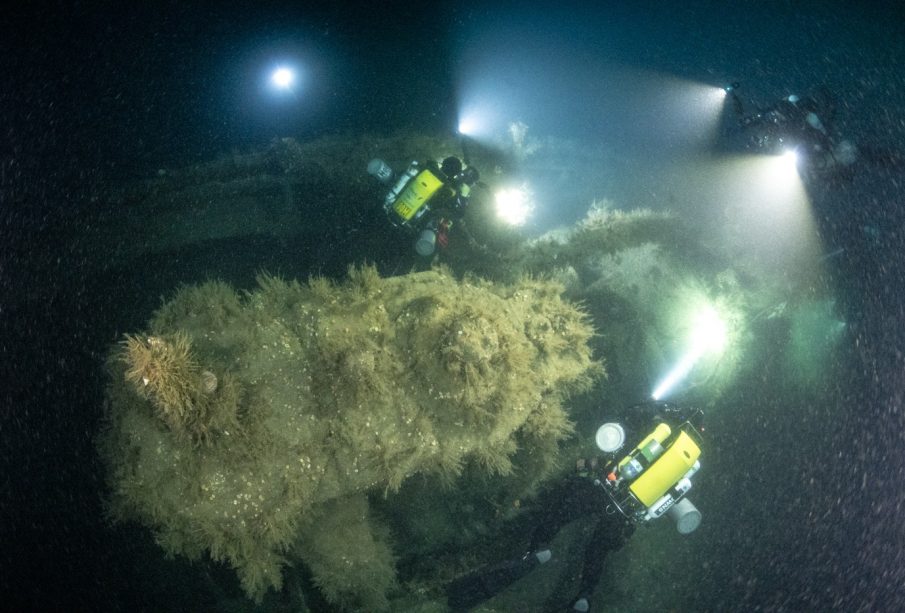
Beyond the initial accident, shipwrecks are subject to ongoing natural and anthropogenic processes. Marine organisms can cause slight or severe physical degradation. External contaminants—ranging from historical artefacts clustered on and around wrecks, as noted at Pickles Reef and the overlapping remains at the Molasses Reef Wreck, to contemporary pollution—can alter chemical structures and further damage surviving timbers and metal. Such changes complicate conservation and scientific study.
Salvage and legal considerations
Attempts are often made to salvage wrecks, particularly those more recently lost, to recover whole or part of the vessel, its cargo or equipment. Salvage raises practical and legal questions: courts have sometimes treated very old wrecks and their cargo as abandoned. A notable example is the litigation in Salvors Inc. v Unidentified Wreck (1978/1981) concerning the Spanish ship Nuestra Señora de Atocha (1620), where the courts characterised regarding a centuries‑old wreck as still owned by the original owner as an “absurd fiction” and treated the wreck and cargo as abandoned.
Conclusion: Significance and outlook
Shipwrecks occupy intersections of maritime safety, cultural heritage and environmental stewardship. Definitions emphasise both the material loss and the metaphorical sense of failure; environmental degradation and contamination affect preservation; and salvage and legal rulings shape access and ownership. For readers, awareness of these dimensions helps contextualise news of recent losses, archaeological finds or legal disputes and underscores the continuing relevance of shipwrecks to law, science and heritage management.





