St Patrick’s Day: Origins, Traditions and Modern Celebrations
Introduction: Why St Patrick’s Day matters
St Patrick’s Day, observed on 17 March, is both a religious feast day and a global cultural celebration that honours Saint Patrick, the patron saint traditionally associated with bringing Christianity to Ireland. Its importance lies in the way a single date has become a focal point for Irish identity, cultural expression and community gatherings — not only in Ireland but across the world where Irish diasporas and friends of Irish culture mark the day. Understanding st patricks day helps readers appreciate how history, religion and culture combine in contemporary public life.
Main body
Origins and early traditions
The holiday traces its roots to the early medieval period and commemorates Saint Patrick, a missionary commonly associated with Ireland in the fifth century. Over centuries the day developed religious observances — mass and prayers — alongside popular customs. The shamrock, long associated with Saint Patrick, became a symbol used to explain the Christian doctrine of the Trinity and is now an enduring emblem of Irish identity.
Modern customs and international observance
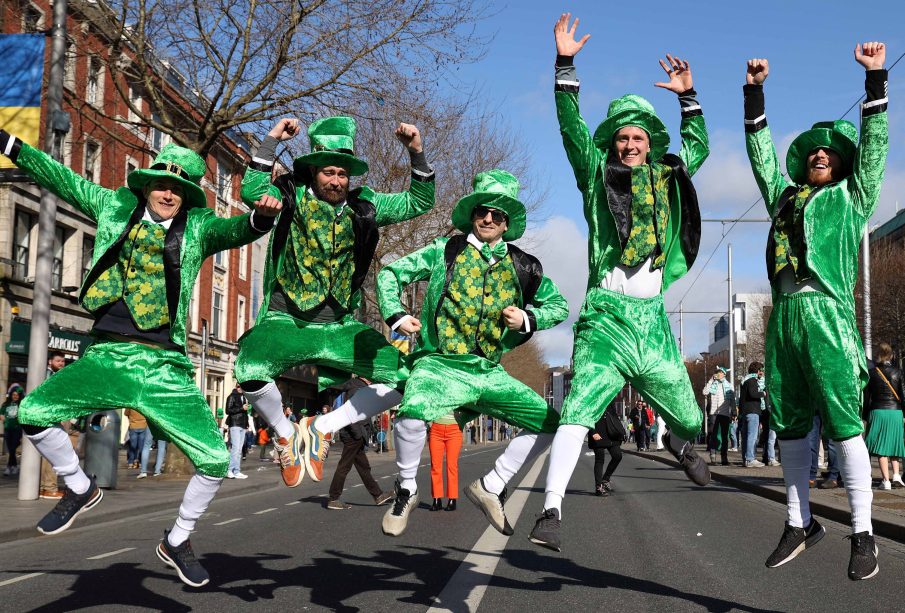
From the 18th century onwards, Irish communities overseas began holding parades and public events; these gatherings grew into large civic celebrations in cities such as New York and Dublin. Today, st patricks day features parades, music, traditional dance, green dress and public festivals. Major cities often light landmarks in green and, in some places, dye waterways to mark the occasion. In Ireland the day remains both a public and cultural highlight, while across the globe people embrace Irish food, music sessions and community events that promote cultural exchange.
Economic and social impact
The festivities generate notable economic activity for hospitality and tourism sectors, particularly in cities hosting large parades and festivals. They also offer opportunities for cultural organisations and local communities to showcase Irish arts, language and heritage, strengthening connections between Ireland and its worldwide diaspora.
Conclusion: Significance and outlook
St Patrick’s Day continues to evolve, balancing religious observance with broad cultural celebration. For readers, the day is a reminder of how traditions adapt and travel, fostering community and international goodwill. Looking ahead, expect continued global participation, creative cultural programming and an ongoing role for the holiday in promoting Irish heritage and local economic activity.





