Athletic Bilbao: The Basque Club’s Identity and Place in Spanish Football
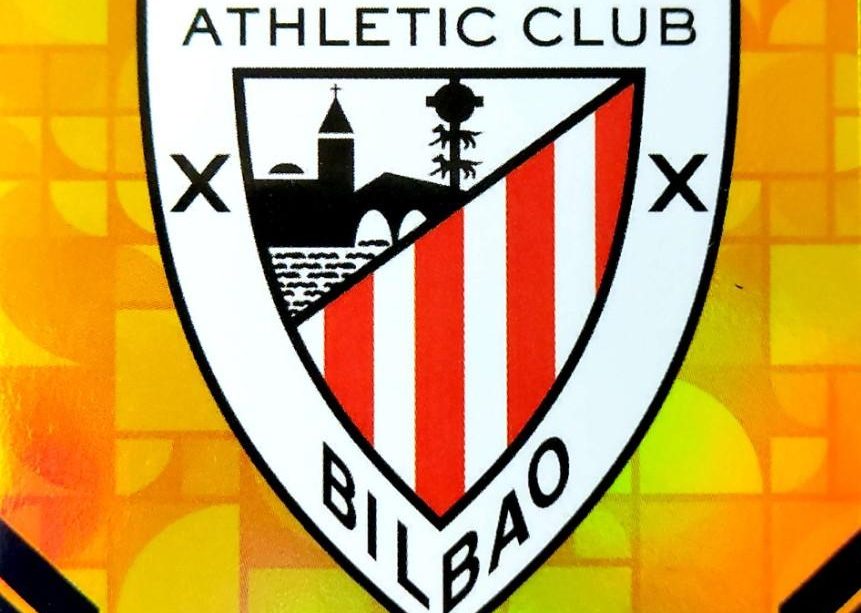
Introduction: Why Athletic Bilbao Matters
Athletic Bilbao is one of Spain’s most distinctive football clubs, renowned as much for its cultural identity as its sporting record. Based in Bilbao in the Basque Country and commonly referred to as Athletic Club or Athletic Bilbao, the club’s long history and locally focused recruitment make it a subject of interest beyond routine match results. Understanding Athletic Bilbao offers insights into how tradition, community and sport can intertwine to shape a club’s long-term strategy and reputation.
Main body: Tradition, structure and competitive role
Foundations and identity
Founded in 1898, Athletic Bilbao has maintained a clear regional identity that sets it apart from most professional clubs. The team is commonly nicknamed Los Leones (The Lions) and plays home matches at the San Mamés stadium, the modern successor to the famous old ground. The club’s recruitment philosophy prioritises players from the Basque Country or those developed in Basque academies, a policy widely known as the cantera approach.
Lezama academy and player development
Central to Athletic’s model is its youth system at Lezama, where generations of players have been trained and integrated into the first team. This emphasis on homegrown talent helps the club preserve a distinct style and community connection while managing financial and transfer-market pressures differently from many rivals.
Competitive standing and rivalries
On the pitch, Athletic Bilbao has sustained a long presence in Spain’s top flight and is notable among clubs that have not faced relegation from La Liga. The Basque derby against Real Sociedad is one of the region’s headline fixtures, and the club regularly competes for places in domestic cup competitions and European qualification, balancing tradition with the demands of modern football.
Conclusion: Significance and outlook
Athletic Bilbao’s model offers a contrasting blueprint to football’s globalised transfer economy: local recruitment, strong academy investment and deep community roots. While this approach brings both sporting challenges and unique advantages, the club’s identity remains its principal asset. Looking ahead, Athletic will likely continue to prioritise youth development and cultural continuity as it seeks to remain competitive in La Liga and in European competitions when opportunities arise—retaining a role as a symbol of Basque football tradition for supporters and observers alike.





