Understanding the Snow Forecast: What to Expect and Why It Matters
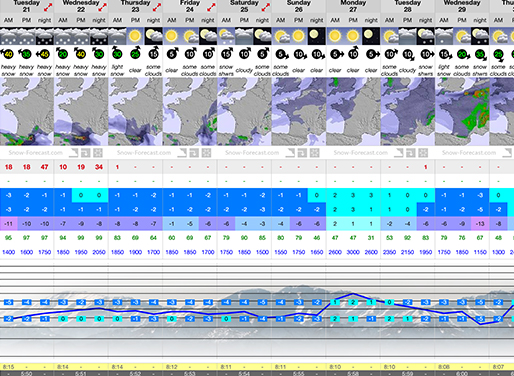
Introduction: Why the snow forecast matters
Snow forecasts are an essential element of winter planning for communities, transport operators and emergency services. Accurate information about where, when and how much snow will fall helps reduce disruption, protect vulnerable people and allow businesses to prepare. With changing winter patterns, clear communication of the snow forecast has become more important for safety and logistical decisions.
Main body: How the snow forecast is produced and what it tells us
From models to maps
Snow forecasts draw on numerical weather prediction (NWP) models, satellite and radar observations, and surface reports. Meteorological centres run multiple models and ensemble systems to capture a range of possible outcomes. Forecasts translate model outputs—temperature profiles, precipitation rate and wind—into expected snow type and accumulation. High-resolution models improve detail in hilly and urban areas where snowfall can be highly localised.
Key sources of uncertainty
Predicting snow is subject to several uncertainties. Small changes in air temperature, especially near freezing, can shift precipitation from rain to sleet or snow, dramatically altering accumulations. Local topography and urban heat effects can create large variations over short distances. Forecasters therefore often provide probabilistic guidance—chance of exceeding specific accumulation thresholds—rather than a single definitive total.
Impacts to watch
Even modest snowfall can affect road and rail networks, aviation and power infrastructure. Road treatments, gritting and timely school or service announcements hinge on the forecast lead time. Nowcasting—short-term, high-resolution forecasting—helps operators make immediate decisions during active events. For travellers and households, being aware of timing (when snow begins and ends) is as important as the expected depth.
Conclusion: What readers should do
Snow forecasts provide a probabilistic picture that helps manage winter risk. Readers should consult local, official weather services for the latest updates, check travel advisories and prepare basic supplies and contingency plans if significant snow is possible. Staying informed through updated forecasts and warnings reduces surprise and helps communities respond effectively to winter weather.





