Bradley Wiggins: From Track Star to British Cycling Icon
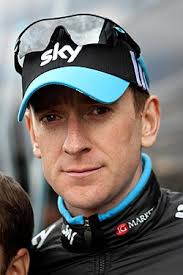
Introduction: Why Bradley Wiggins still matters
Bradley Wiggins is one of the most recognisable names in modern British sport. As a former professional track and road cyclist who rose to global prominence, Wiggins’ achievements helped transform the profile of cycling in the UK and inspired a generation of riders. His story continues to be relevant for fans, policymakers and grassroots organisers as British cycling seeks to build on past successes and broaden participation.
Main body: Career highlights and ongoing influence
Born in 1980, Sir Bradley Wiggins established himself across track and road disciplines. He became the first British winner of the Tour de France, a landmark achievement that heightened public interest in elite road racing at home. Alongside that victory, Wiggins won multiple Olympic medals and world championship titles on the track, achievements that contributed to a remarkable era for British Cycling.
Wiggins rode for leading professional teams during his career and later channelled his profile into initiatives aimed at developing new talent. He founded a development team and an academy structure to support young riders, emphasising coaching, access and pathways from youth to elite levels. Beyond team structures, he has worked in broadcasting and public engagement, using his platform to discuss training, equipment and the broader challenges facing the sport.
His prominence has not only shaped elite performance but also spurred interest in cycling participation across communities. The visibility of Wiggins and his contemporaries coincided with increased investment in facilities, coaching and events that have widened access for amateur and junior riders.
Conclusion: Legacy and what to expect next
Bradley Wiggins’ legacy is both sporting and institutional: he helped raise Britain’s competitive standing and encouraged programmes that aim to nurture future champions. For readers, his continuing relevance lies in the way former elite athletes can influence coaching, youth development and public debate on active travel and sport policy. Looking ahead, Wiggins’ contributions to talent pathways and public engagement are likely to remain a touchstone as British cycling adapts to new challenges and opportunities in the years ahead.





