South America: A Continent of Diverse Cultures and Rich Landscapes
Introduction
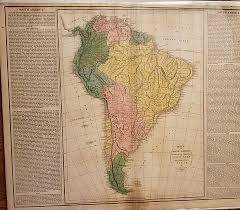
South America, the fourth largest continent, is renowned for its breathtaking landscapes, rich biodiversity, and vibrant cultures. It is home to a plethora of ecosystems, ranging from the Amazon rainforest to the Andes mountains. With a population of over 430 million people, South America is not only significant for its natural resources but also for its cultural and economic contributions to the world. Understanding South America is crucial in appreciating the dynamics of global cultures and economies.
Geography and Biodiversity
The geography of South America is incredibly diverse, featuring stunning natural wonders like the Amazon River, the largest river by discharge volume, and the Andes, the longest mountain range in the world. This ecological variety contributes to some of the richest biodiversity globally; around 40% of Earth’s species can be found here. Countries such as Brazil, Colombia, and Peru boast extensive national parks and protected areas, aimed at conserving this unique flora and fauna. Recent studies have highlighted the impact of climate change on these ecosystems, urging for immediate conservation efforts.
Cultural Heritage
South America is a melting pot of cultures, influenced by Indigenous traditions, European colonisation, and African heritage. Countries such as Argentina and Brazil celebrate distinct cultural identities through music, food, and festivals. For instance, the Carnival in Rio de Janeiro attracts millions and showcases the rich Afro-Brazilian culture. Furthermore, UNESCO has recognised numerous sites across South America for their cultural significance, including Machu Picchu in Peru and the historic centre of Salvador in Brazil.
Economic Landscape
Economically, South America has experienced substantial growth in the past few decades, particularly in agriculture, mining, and tourism sectors. Brazil, being the largest economy in the region, plays a vital role in both local and international markets. The continent is rich in minerals and natural resources, making it a significant player in the global economy. However, challenges such as political instability and income inequality persist, which can hinder progress. Analysts point towards the need for sustainable economic practices that balance growth with environmental conservation.
Conclusion
South America continues to be a region of immense potential and dynamic changes. As global interests shift toward sustainable development and conservation, South America stands at a crucial crossroads. Its rich cultural heritage, diverse ecosystems, and economic opportunities present both challenges and prospects for the future. Being aware of the ongoing developments in South America is essential for understanding its role in the global context. Observers forecast that if managed well, South America could become a leader in addressing environmental and economic challenges that face the world today.