Why Lord of the Flies Still Matters Today
Introduction: Importance and Relevance
Lord of the Flies is a landmark novel that continues to provoke discussion about human nature, authority and civilisation. First published in 1954, the book has been widely taught in schools and adapted for stage and screen, and it remains relevant as readers, educators and commentators revisit its themes in the context of modern social and political debates.
Main body: Facts, themes and cultural impact
Origins and recognition
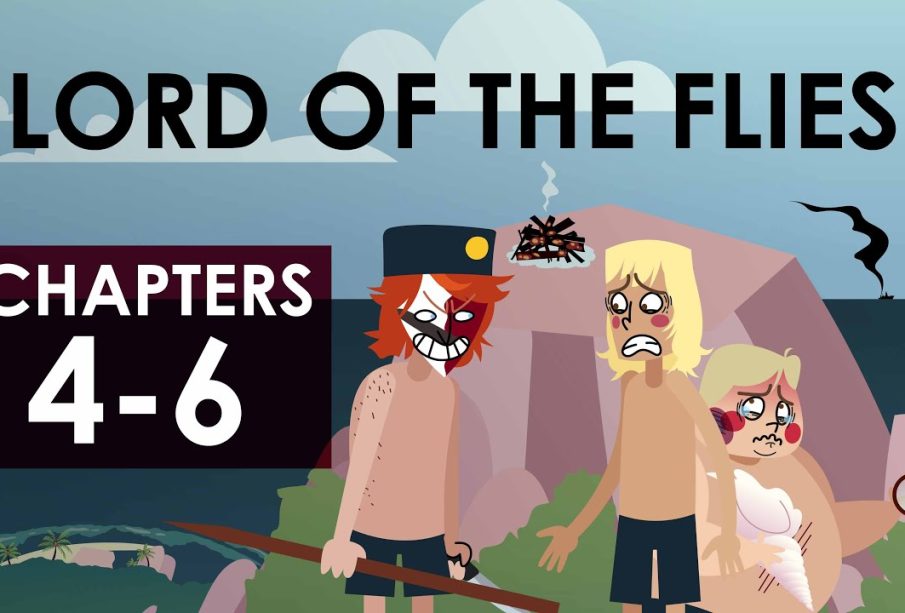
Written by William Golding and published in 1954, Lord of the Flies follows a group of boys stranded on an uninhabited island as they attempt to govern themselves. The novel is often noted for its stark exploration of how social order can break down under pressure. William Golding later received the Nobel Prize in Literature in 1983, in part for his novels that examine the human condition.
Themes and classroom use
Educators commonly use Lord of the Flies to explore themes such as civilisation versus savagery, leadership, group dynamics and moral responsibility. The novel’s clear symbolism and dramatic plot make it accessible for classroom discussion, and it frequently appears on reading lists at secondary and tertiary levels. Debates around the book often examine whether its portrayal of human behaviour is pessimistic or cautionary.
Adaptations and public conversation
The novel has been adapted into film and theatre, with notable film versions released in 1963 and 1990. These adaptations have kept the story in public view and invited new interpretations of Golding’s themes. Public conversation around Lord of the Flies also surfaces in broader debates about education, censorship and the ways literature shapes understanding of society.
Conclusion: Significance and outlook
As a work of literature, Lord of the Flies endures because it raises fundamental questions about power, ethics and group behaviour that remain pertinent. For readers and educators, the novel offers a compact but powerful framework for examining contemporary issues—from leadership and conflict to moral education. Looking ahead, Lord of the Flies is likely to remain a staple of discussion and study, continuing to prompt reflection on how societies organise themselves and what happens when structures of order collapse.


