Who is next? A guide to the line of succession in the UK
Introduction
The line of succession UK remains a matter of public interest and constitutional importance. It determines who will become monarch of the United Kingdom and the other realms, affecting state duties, national identity and the continuity of the Crown. Recent decades have brought legal reform and high-profile royal births that have reshaped the order, making clarity about who stands where more relevant than ever.
Main developments and current order
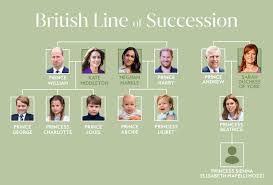
Since the death of Queen Elizabeth II in September 2022, King Charles III has been the sovereign. The immediate succession is clear: his elder son is first in line, and the family’s younger generations occupy the next places. The top ten in the line of succession UK are:
- 1. William, Prince of Wales
- 2. Prince George of Wales
- 3. Princess Charlotte of Wales
- 4. Prince Louis of Wales
- 5. Prince Harry, Duke of Sussex
- 6. Archie Mountbatten‑Windsor
- 7. Lilibet Mountbatten‑Windsor
- 8. Prince Andrew, Duke of York
- 9. Princess Beatrice
- 10. Sienna Mapelli Mozzi
These positions reflect births, marriages and established rules on heredity. Key legal changes have influenced the order: the Succession to the Crown Act 2013 ended male‑preference primogeniture for those born after 28 October 2011, so Princess Charlotte ranks ahead of her younger brother Prince Louis. The same Act also removed the automatic disqualification for marrying a Roman Catholic, though the sovereign must still be in communion with the Church of England.
How the rules work
Succession is governed by descent from the Electress Sophia of Hanover, legitimacy, and religion. Parliament retains ultimate authority over succession, and changes require the assent of the UK and, in practice, the other Commonwealth realms where the monarch is head of state.
Conclusion
The line of succession UK is stable for now, with Prince William and his children occupying the top places. Nonetheless, births, deaths and potential future legal reforms could alter the order. For readers, understanding the line clarifies who may assume constitutional duties in the future and why succession law remains a live constitutional issue across the UK and the Commonwealth.


