When Flights Are Cancelled: Causes, Rights and Next Steps
Introduction: Why cancelled flights matter
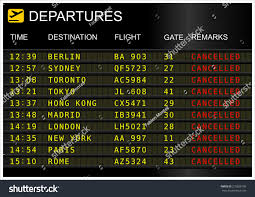
Flights cancelled affect travellers, businesses and airport operations, disrupting plans and causing financial and logistical headaches. Understanding the common reasons for cancellations and the options available to passengers is essential for minimising inconvenience and ensuring rights are protected. This article explains why flights are cancelled, what passengers can expect, and practical steps to take if their flight is affected.
Main body: Causes, impacts and practical information
Common causes of cancellations
Flights may be cancelled for operational, safety or regulatory reasons. Typical causes include severe weather, technical faults discovered during pre-flight checks, crew shortages, air traffic control restrictions and industrial action. Airlines may also cancel flights because of low demand or wider network disruptions that make planned services unviable.
Immediate impacts for passengers
When a flight is cancelled, passengers face rebooking, potential overnight stays and missed connections. Airports and airlines often experience queues at customer service desks and call centres as travellers seek alternative arrangements. Those with tight onward connections, events or time-sensitive commitments can be particularly affected.
Passenger rights and remedies
Passengers should consult the airline and their booking agent for rebooking or refunds. In many jurisdictions there are established rights: airlines typically must offer a choice between re-routing at the earliest opportunity or a refund for the unused carriage. In the UK and EU, compensation schemes apply in certain circumstances, subject to eligibility rules and exceptions for extraordinary circumstances. Travel insurance policies may also cover additional costs such as accommodation and meals.
Practical steps to take
- Contact the airline promptly via the app, website or airport desk for rebooking options.
- Keep receipts for out-of-pocket expenses and document communications.
- Check travel insurance and credit card protections for cover on cancellations.
- Monitor official airport and airline channels for updates and alternative routing.
Conclusion: Preparing and responding
Cancelled flights remain an unavoidable part of air travel. Being prepared—knowing your rights, keeping documentation and acting quickly—can reduce the disruption. Passengers should also consider flexible tickets or travel insurance for added protection. For most travellers, prompt engagement with the airline and clear records will be the quickest route to a satisfactory outcome.