When do the clocks go forward 2026: Daylight saving begins 8 March
Introduction: Why the clock change matters
Knowing when the clocks go forward 2026 matters for travel, work schedules and sleep health. Daylight saving time (DST) shifts an hour of daylight from morning to evening across much of North America, affecting circadian rhythms, commute times and business hours. The change is routine for many, but it also prompts debate about health impacts and whether the practice should continue.
Main details: Date, scope and effects
Date and time
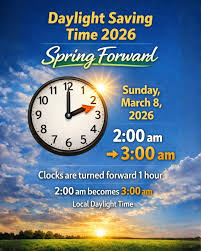
Daylight saving time in 2026 begins on Sunday 8 March at 2 a.m. local time. At that moment clocks are set forward one hour — from 2 a.m. to 3 a.m. — meaning sunrise and sunset will occur one hour later by the clock. For those using manual alarm clocks or wristwatches, it is prudent to update them before going to bed on Saturday 7 March.
Where it applies
In the United States and much of Canada, DST runs from the second Sunday in March to the first Sunday in November. Most Canadian provinces and territories observe the change, with notable exceptions: Yukon, most of Saskatchewan and some areas of Ontario, Quebec and Nunavut do not adjust their clocks. In 2026, British Columbia will move to permanent daylight time, ending biannual clock changes in the province.
Health effects and practical tips
Health experts note the spring change can disrupt the body’s circadian rhythm — the internal clock regulating sleep, hormones and digestion. Clinical psychologists report many people effectively lose close to an hour of sleep when clocks spring forward, and some experience sleep trouble for days or weeks. To ease the transition, advise includes going outside for early morning sunlight during the first week of DST and gradually adjusting sleep schedules a few days beforehand.
Context and history
Daylight saving has historical roots in energy conservation. In the United States, Congress first introduced DST and standard time zones in 1918. Over time, public opinion has shifted in places, and there are ongoing calls to cancel or standardise clock changes.
Conclusion: What to expect
For 2026, expect the clocks to spring forward on 8 March as scheduled across most jurisdictions. The change will reignite discussions about the merits of DST and possible moves toward permanent time in some regions. In the short term, preparing sleep routines and using daylight exposure can help reduce the immediate effects of the transition.