When Do the Clocks Change? Understanding Time Adjustments in the UK
The Importance of Knowing When the Clocks Change
Understanding when the clocks change is crucial for individuals and businesses in the UK, as it impacts daily routines, travel schedules, and overall productivity. The twice-yearly adjustment allows for more daylight during the evenings in spring and summer, altering how we engage in leisure activities and manage our time. Therefore, accurate awareness of these changes is beneficial for everyone.
Dates for the Clocks Changing in 2023
In the UK, the clocks change twice a year. The next upcoming change will occur on Sunday, 29 October 2023, when clocks will be set back by one hour at 2 am, marking the end of British Summer Time (BST) and the start of Greenwich Mean Time (GMT). This adjustment will give longer evenings but shorter days as we head into winter.
Previous Clock Changes
Earlier in 2023, the clocks moved forward an hour on Sunday, 26 March, at 1 am, kicking off the British Summer Time. This move has been a long-standing tradition, having originated in the UK during World War I as a means to conserve fuel. The practice has since been retained to make better use of daylight during the longer day length associated with summer.
Impacts of Clock Changes
The seasonal clock changes can affect various aspects of life. For example, studies have shown that the shift can impact sleep patterns, with many individuals experiencing sleep disturbances as their bodies adjust. There is also evidence suggesting implications for productivity, mental health, and even accidents as people adapt to the new schedule. Additionally, businesses, particularly in the transport sector, must also adjust timetables accordingly to accommodate these changes.
Public Opinion and Future Considerations
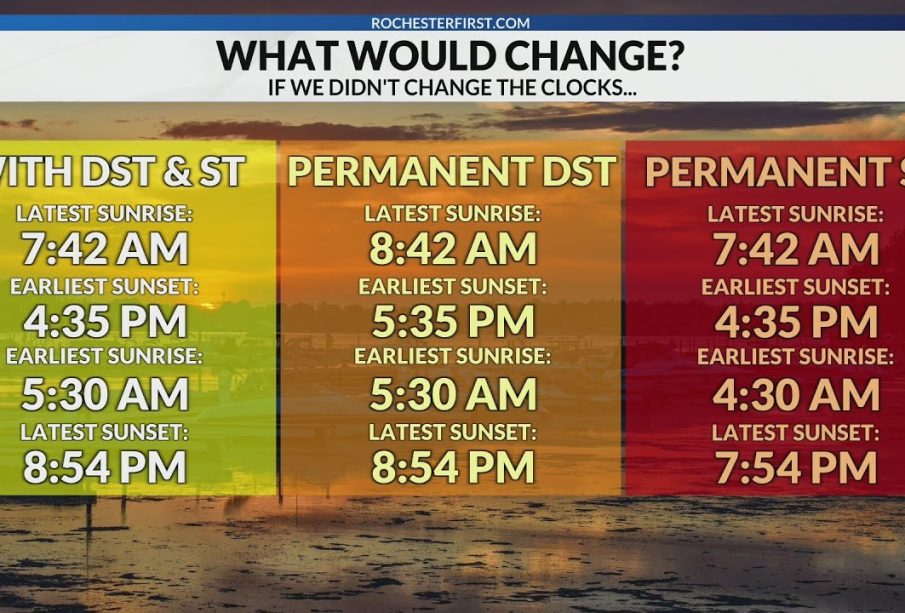
There has been ongoing debate regarding the necessity of changing the clocks, with some advocating for the permanent adoption of BST. Following consultations by the European Union in recent years, various countries have started to reconsider their stance on daylight saving time. The future of time changes may be subject to further evaluation, especially regarding its impact on lifestyle, economy, and safety.
Conclusion
As we prepare for the upcoming clock change, it is essential for everyone to mark their calendars and adjust their schedules accordingly. While the end of British Summer Time might signal the onset of darker evenings, awareness and planning can help mitigate its impacts. Understanding these seasonal shifts can enhance our time management and adaptiveness as summer gives way to winter.


