When Do the Clocks Change: Understanding Daylight Saving Time
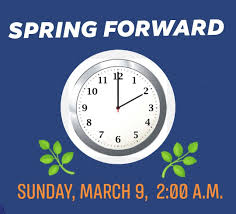
The Importance of Clocks Changing
As autumn approaches in the United Kingdom, many residents are preparing for the annual event of changing their clocks. Clocks changing is significant as it marks the end of daylight saving time, allowing for shorter evenings and longer mornings. Understanding when the clocks change is essential for planning daily activities and ensuring compliance with local time regulations.
Dates for Clock Changes in 2023
In 2023, the clocks in the UK will change on Sunday, 29 October. At 2:00 AM, the clocks will fall back one hour to 1:00 AM, giving an extra hour of sleep that night. This switch signifies the end of British Summer Time (BST) and the commencement of Greenwich Mean Time (GMT). The clocks will remain in GMT until the return of BST on Sunday, 26 March 2024, when they will spring forward one hour.
The Reason Behind the Change
The practice of changing clocks is in line with the concept of daylight saving time (DST), designed to make better use of daylight during the longer summer days. The idea is to move an hour of daylight from the morning to the evening, promoting increased outdoor activities and reducing energy consumption. While many appreciate the extended evening light during the summer, some argue the disruptions caused by adjusting to the time changes can hinder sleep patterns and overall health.
Public Opinion and Future Implications
Public opinion on the necessity of changing clocks remains divided. Several surveys suggest that a significant portion of the population prefers to stay on one time year-round. In response to these concerns, discussions regarding the permanence of BST or maintaining GMT have been ongoing within political circles and among public stakeholders. Pending decisions on whether to cease the clock changes entirely could reshape how the UK approaches timekeeping in the future.
Conclusion
As the clocks prepare to change this October, it is essential to stay informed about the implications and potential impacts on daily life. Awareness of when the clocks change can help mitigate confusion and assist individuals in planning their routines accordingly. As discussions continue on the future of daylight saving time, residents should keep an open eye on developments that could potentially alter the time adjustment practice in years to come.

