When do clocks go forward: What you need to know
Introduction: Why the question ‘when do clocks go forward’ matters
The question “when do clocks go forward” affects millions of people across the United Kingdom every year. The move to British Summer Time (BST) changes daily schedules, transport timetables and can influence energy use, public safety and personal routines. Knowing when the change occurs helps individuals, employers and service providers prepare and avoid disruption.
Main details: timing and practical impacts
When the change happens
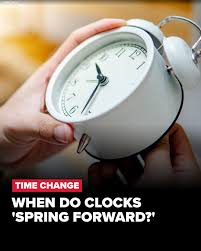
In the UK, clocks go forward by one hour on the last Sunday in March. At 01:00 GMT (01:00 Greenwich Mean Time) the clocks are advanced to 02:00 BST (British Summer Time). This marks the start of BST and provides longer evening daylight through the spring and summer months.
What it means in practice
The immediate effect is that people lose one hour of sleep on the night the clocks change. For businesses and services, timetables for public transport, broadcast schedules and appointment times will reflect the new time. Many devices with internet connectivity or automatic time settings will update themselves, but analogue clocks, some appliances and older devices need to be adjusted manually.
Common impacts and precautions
- Travel: Check train, bus and flight times around the changeover to avoid missed connections.
- Health: Allow a day or two for sleep patterns to adjust; avoid heavy schedules immediately after the change if possible.
- Home safety: Use the clocks-change as a reminder to test smoke and carbon monoxide alarms and replace batteries if needed.
- Business systems: Ensure scheduled processes, backups and cross-time-zone communications are reviewed.
Conclusion: Significance and outlook
Knowing “when do clocks go forward” remains important for daily life across the UK. The last-Sunday-in-March rule provides a predictable schedule for the transition each year. While debates about the merits of changing clocks continue, the practical reality is that households and organisations should prepare ahead: set non-automatic clocks before bed on the designated night, verify critical schedules and allow time for short-term adjustment. Being prepared minimises disruption and helps everyone make the most of the longer daylight hours that BST brings.