WhatsApp’s Ongoing Role in Everyday Communication
Introduction: Why WhatsApp Matters
WhatsApp is a globally recognised messaging service that plays a central role in personal and business communication. Its relevance stems from widespread adoption, a feature set that includes text, voice and video calling, and an emphasis on encryption. Changes and updates to the service therefore attract interest from millions of users, businesses and regulators, making developments around WhatsApp important to follow.
Main developments and features
WhatsApp offers core messaging capabilities alongside features aimed at modern communication needs. These include one-to-one and group chats, voice and video calls, status updates, and media sharing. The platform is also widely used by small and large organisations via business-focused tools such as dedicated apps and application programming interfaces (APIs) that facilitate customer messaging and automated responses.
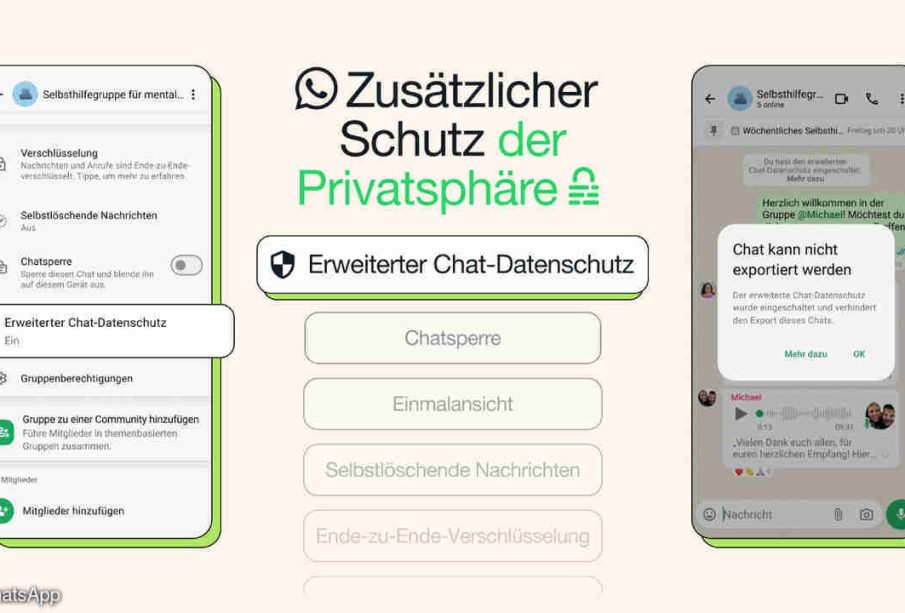
Security and privacy have been prominent aspects of WhatsApp’s public profile. The service employs end-to-end encryption for messages and calls, meaning content is designed to be readable only by the communicating parties. This technical approach has informed user trust but has also been central to public debate about law enforcement access, content moderation and platform responsibility.
Another notable development area is multi-device support. Users increasingly expect seamless experiences across phones, tablets and desktop computers, and messaging platforms like WhatsApp have expanded support for linking multiple devices to a single account without requiring the primary phone to be constantly online.
Impact, challenges and outlook
For users, WhatsApp continues to offer a convenient and familiar way to stay connected. For businesses, the app provides a channel for customer engagement that can be integrated into wider service workflows. At the same time, the platform navigates challenges around privacy expectations, regulatory scrutiny and competition from other messaging services.
Looking ahead, the significance of WhatsApp is likely to persist as messaging becomes more central to digital life. Users and organisations will watch closely for further feature rollouts, privacy and policy changes, and improvements to interoperability and business tooling. Understanding these changes helps readers assess how WhatsApp might shape communication habits and service choices in the near term.
Conclusion
WhatsApp remains a key player in global messaging, balancing user convenience, security features and growing business uses. Its ongoing evolution will influence how people and organisations communicate, underscoring the importance of staying informed about platform updates and their wider implications.


