What You Need to Know About Stealth Tax
Introduction to Stealth Tax
Stealth tax, often referred to as a tax that is implemented without formal announcement, is increasingly becoming a significant concern for UK taxpayers. This type of taxation typically manifests through inflationary measures, fiscal policies, or adjustments in public services, leading to an indirect increase in a person’s tax burden. Understanding stealth taxes is crucial for citizens as it affects disposable income and overall economic welfare.
The Nature of Stealth Tax
Unlike conventional taxes, which are clearly defined, stealth taxes are more subtle. They can occur through various means such as unexpected reductions in savings allowances, restrictions on tax reliefs, or increases in charges for services. These changes often go unnoticed by the general public, leading to a growing gap in understanding tax liabilities.
Recent Developments
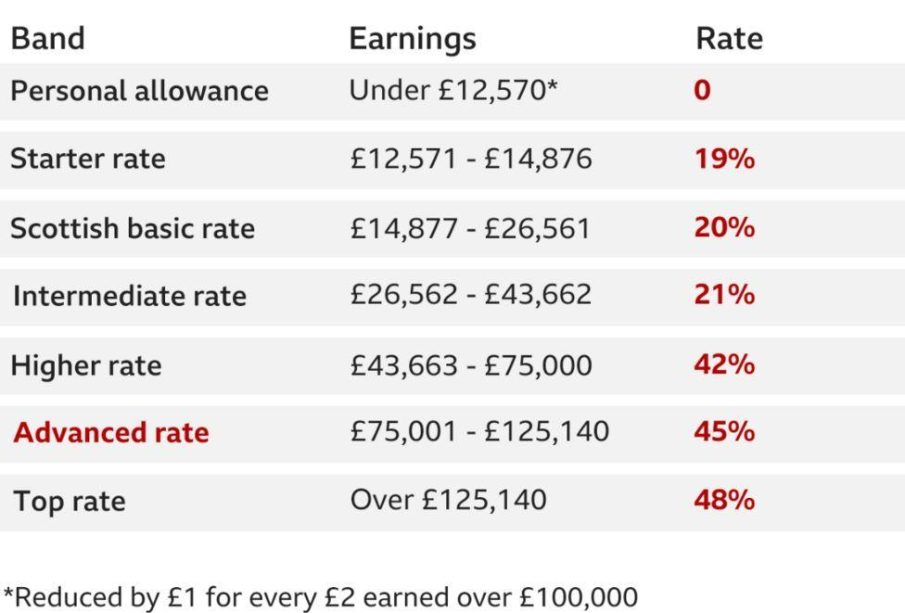
A recent report by the Office for Budget Responsibility (OBR) highlighted that stealth taxes have been a significant contributor to UK tax revenue growth in the last decade. For instance, the freezing of specific tax thresholds until 2026 is expected to push more earners into higher tax brackets. This policy effectively raises taxes on middle and lower-income households without formal rate increases, which is a classic example of a stealth tax in action.
Effects on the Economy
The consequences of stealth taxes are multifaceted. They tend to disproportionately affect lower-income households who spend a larger proportion of their income on essentials. With increasing costs of living coupled with hidden tax burdens, more families find themselves financially challenged. Furthermore, as disposable income reduces, consumer spending may decline, affecting the overall economic growth.
Conclusion: The Way Forward
As the government continues to rely on stealth taxes as a means of fiscal management, it is vital for taxpayers to remain vigilant. Being informed about potential changes in tax legislation and their implications can equip individuals to better manage their finances. Moreover, public discourse and advocacy for transparency in taxation are necessary to ensure that the burden of taxation does not fall disproportionately on the shoulders of the less privileged. As policy makers consider ways to address funding deficits, understanding and navigating the implications of stealth taxes will be crucial for the economic prosperity of the country.


