What to Know About Cryptocurrency Trading Now
Introduction — why cryptocurrency trading matters
Cryptocurrency trading remains a prominent part of global financial markets, attracting retail and institutional participants alike. Its 24/7 nature, rapid price moves and growing product range make it relevant for investors, policymakers and ordinary savers. Understanding how markets, regulation and technology are evolving is essential for anyone exposed to digital-asset trading.
Main developments and current landscape
Market behaviour and participants
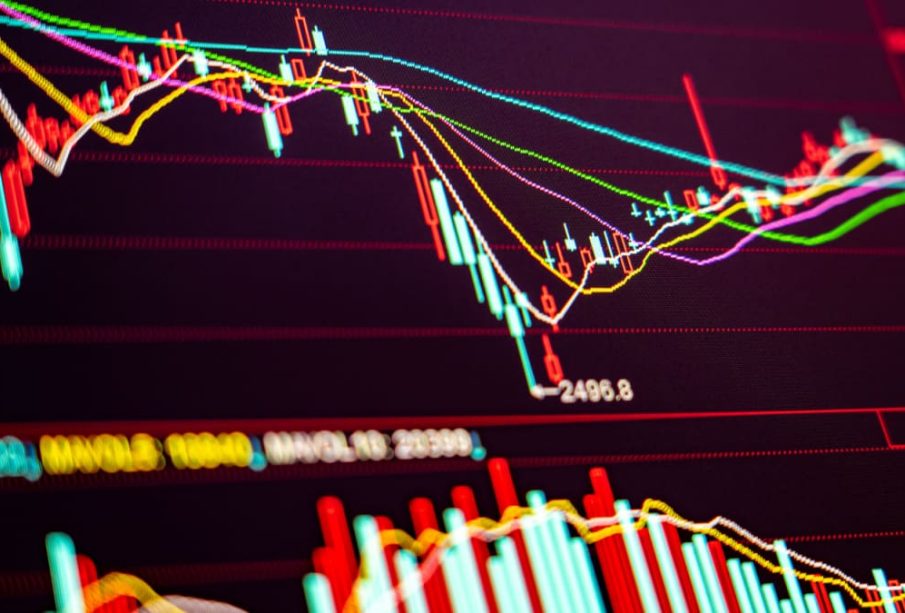
Cryptocurrency markets continue to be characterised by high volatility and episodic liquidity swings. Spot trading, derivatives and decentralised finance (DeFi) protocols offer a broad set of instruments — from simple buy/sell orders to futures, options and liquidity pools. Institutional involvement has increased over recent years, appearing in the form of custody solutions, trading desks and exchange-traded products, while retail use remains significant through apps and centralised exchanges.
Regulation and oversight
Regulatory scrutiny has intensified globally as authorities seek to protect investors and preserve market integrity. Policymakers are developing clearer rules for issuers, intermediaries and service providers, and some jurisdictions have introduced comprehensive frameworks for crypto-asset markets. Regulatory changes aim to address issues such as custody standards, market manipulation, and consumer disclosures, and they influence where and how trading services operate.
Security, infrastructure and platform choice
Security and platform reliability are key considerations. Centralised exchanges offer convenience and liquidity but require trust in custodial practices; decentralised platforms present different risks, including smart-contract vulnerabilities and limited recourse if something goes wrong. Best practice for traders includes using reputable platforms, enabling strong account protections (multi-factor authentication, hardware wallets for long-term holdings) and separating capital between trading and cold storage.
Conclusion — implications for traders
Cryptocurrency trading will likely remain dynamic: prices can move sharply, product offerings will expand, and regulatory regimes will keep evolving. Traders should combine awareness of market mechanics with disciplined risk management — clear position sizing, stop-loss rules, tax and compliance considerations, and continuous monitoring of platform and regulatory developments. For readers, the significance is practical: informed decisions and robust safeguards reduce downside risk while allowing participation in an increasingly mainstream set of markets.