What time is iftar today: How to find your local time
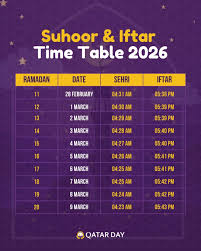
Introduction — why knowing iftar time matters
Iftar marks the end of the daily fast during Ramadan and coincides with the Maghrib prayer at sunset. Knowing precisely what time is iftar today is important for those observing the fast, families planning communal meals and mosques organising breaking-of-fast events. Because sunset varies by date and location, accurate local information is essential.
Main details — how iftar time is determined and where to check
How iftar time is determined
Iftar begins at Maghrib, the prayer time that starts at local sunset. Sunset is an astronomical event that depends on your geographic coordinates (latitude and longitude) and the date. Time zones and daylight saving adjustments also affect the clock time. In addition, small differences arise from calculation methods and juristic opinions used by different Islamic authorities.
Reliable ways to find what time iftar is today
Use multiple local sources to confirm times:
- Local mosque or Islamic centre timetables — these are tailored to the community and typically list daily Maghrib/iftar times.
- National or regional Muslim councils — many publish official Ramadan timetables for cities and regions.
- Reputable websites and apps — services such as IslamicFinder, Muslim Pro and local prayer-time calculators provide daily sunset/Maghrib times when you enter your city or allow location access.
- Astronomical sunset tables — weather services and astronomical sites list sunset times for specific locations and dates; Maghrib is generally at sunset.
Factors to consider
Different calculation methods (for example, those used for Fajr and Isha) rarely affect Maghrib, but local practice can shift times by a minute or two. Always check whether the timetable uses daylight saving adjustments and whether it is for your exact town rather than a nearby city.
Conclusion — practical advice and significance
To answer “what time is iftar today,” check your mosque or a reputable prayer-time app for your exact location each day. For planning, set an alarm a few minutes after the listed Maghrib to allow for local variation. Accurate iftar times support individual observance, help families coordinate meals and ensure community events run smoothly during Ramadan.