What the Gmail passwords data breach means for users
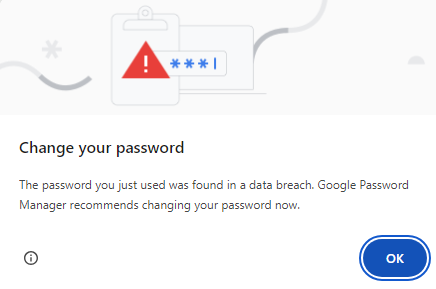
Why the Gmail passwords data breach matters
Reports that Gmail passwords have been uncovered in a large data leak raise immediate concerns about account security and the potential for widespread fraud. The scale of the exposure and the mix of services involved make this issue relevant to millions of users who reuse passwords across accounts or who receive targeted phishing attempts. Understanding what was exposed and how attackers can exploit it is important for anyone using online services.
Main details of the leak
Scope and sources
Cybersecurity researchers have reported an exposed collection of credentials totaling about 149,404,754 unique logins — roughly 149 million entries — across many services. The database was discovered online and contained raw data (around 96GB) that reportedly included emails, usernames, passwords and links to login or authorisation pages. Exposed records covered a wide range of sites and apps, including Gmail, Yahoo, Outlook, Facebook, Instagram, TikTok, Netflix, Roblox and various dating and subscription services.
How the data was gathered
According to reporting, much of the information appears to have been harvested by info‑stealing malware. Such malware collects stored credentials from infected devices and centralises them for resale or automated credential-stuffing attacks. Security commentators warned that password reuse across services magnifies the risk, because attackers can test stolen pairs across multiple accounts.
Related warnings from Google
Separately, Google has warned users — citing a rise in targeted phishing after a Salesforce-related breach — to be vigilant and change passwords where appropriate. Google clarified that the Salesforce incident exposed business‑related Gmail data such as contact lists and email metadata rather than account credentials, but noted that this type of information increases the success rate of impersonation and phishing. Google’s data indicates phishing and vishing account for roughly 37% of successful account takeovers on its services.
Conclusion and steps for readers
Whether through malware-collected credential dumps or through metadata leaks that enable impersonation, the combined reporting highlights an elevated phishing and account‑takeover risk. Users should avoid reusing passwords; enable two‑factor authentication; use a reputable password manager to generate and store unique passwords; and never disclose passwords to callers or unsolicited contacts. Changing passwords for critical accounts and monitoring for unusual activity remain prudent immediate actions.