What does digitally anonymised mean: privacy, methods and limits
Introduction: Why understanding digital anonymisation matters
As organisations, researchers and public bodies process ever larger volumes of personal information, the question “what does digitally anonymised mean” is increasingly important. Digital anonymisation is central to protecting individual privacy, enabling data sharing for research or service improvement, and ensuring compliance with data-protection rules.
Main body: What digital anonymisation is and how it works
Definition and purpose
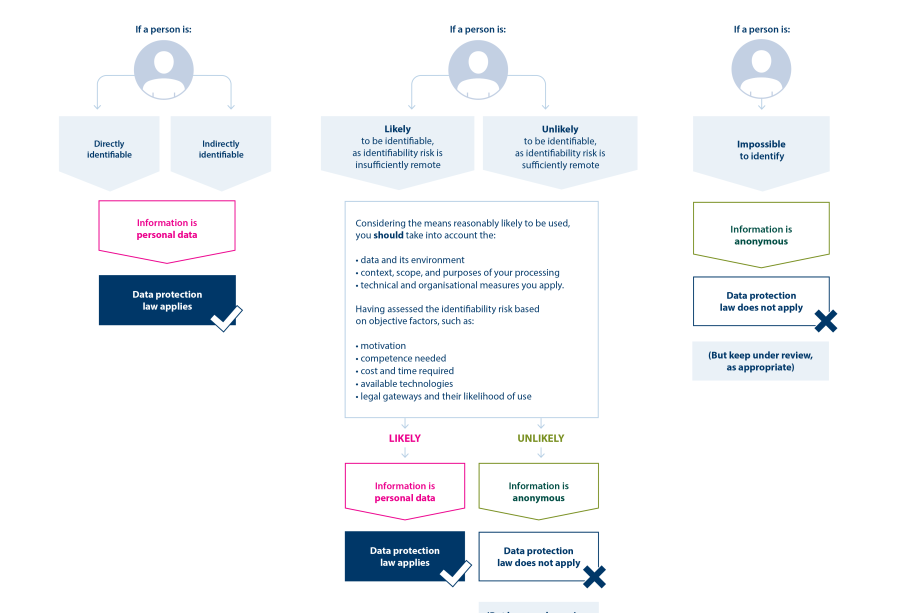
Digitally anonymised data has been processed so that individuals cannot reasonably be identified from the information, either by the data controller or by any other party. The goal is to remove or alter identifiers while retaining analytic value.
Common techniques
Typical techniques include removing direct identifiers (names, national insurance numbers), pseudonymisation (replacing identifiers with tokens), generalisation (reducing precision of age or location), aggregation (reporting totals rather than individual records), adding controlled noise, and applying models such as k-anonymity or differential privacy. Increasingly, organisations also consider synthetic data—artificial data generated to mirror patterns in the original dataset.
Legal and practical context
In UK and EU data-protection frameworks, truly anonymised data falls outside the scope of laws like the GDPR because individuals are no longer identifiable. However, pseudonymised data remains personal data and is still regulated. Practical guidance from regulators emphasises robust risk assessments, expert techniques, and governance when claiming data is anonymised.
Limits and risks
Anonymisation is not absolute. Re-identification risks arise when anonymised datasets are linked with other datasets, or when unique combinations of attributes remain. Small or highly detailed datasets are especially vulnerable. Advances in computing and AI have increased the potential for re-identification if controls are weak.
Conclusion: Significance and outlook for readers
Understanding what digitally anonymised means helps organisations balance data utility with privacy. Readers should expect broader adoption of advanced techniques such as differential privacy and synthetic data, alongside stronger governance and transparency. For individuals, anonymisation reduces identification risk but is not a guarantee; for data users, careful design, ongoing risk assessment and compliance with regulator guidance remain essential.


