War Machine movie: Netflix’s satirical look at modern warfare
Introduction
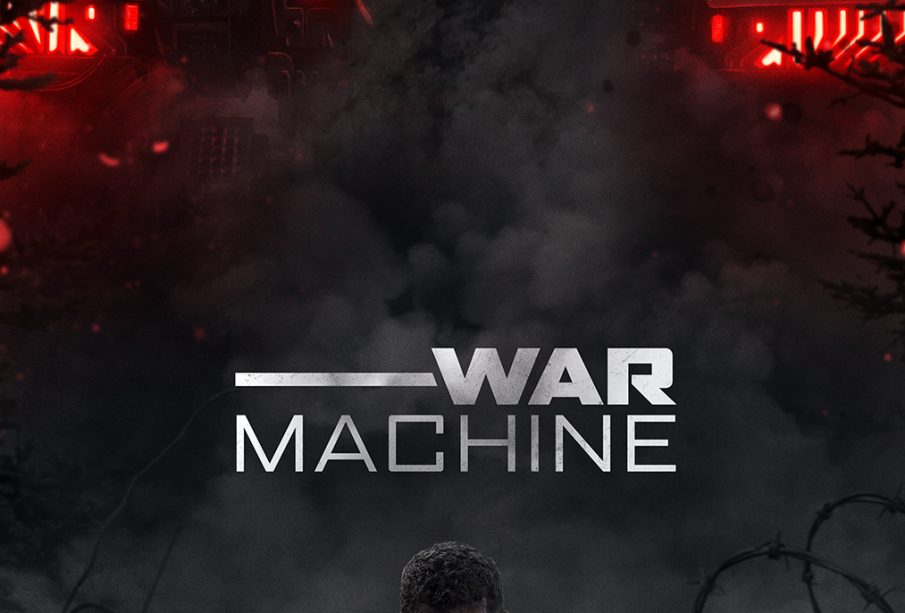
The War Machine movie remains relevant as a cinematic examination of military leadership, public accountability and the relationship between armed forces and the media. Released on Netflix in 2017, the film uses satire to explore how strategy, personality and public perception interact in contemporary conflicts. Its themes continue to resonate amid ongoing debates about intervention, oversight and the role of journalism in democracies.
Main body
Background and production
Directed by David Michôd and starring Brad Pitt in a central role, War Machine is adapted from Michael Hastings’ reporting and his book The Operators. Hastings’ work, which scrutinised senior military leadership during the Afghanistan campaign, provided the source material for a film that blends dramatization and dark humour to probe institutional decision-making. Netflix distributed the film to a global audience, making the story accessible beyond traditional theatrical release windows.
Themes and depiction
The film focuses on the tensions between strategic objectives, ego-driven leadership and the scrutiny of the press. Through its satirical lens, it highlights how military plans can be affected by bureaucratic inertia, differing national priorities and the need to manage public narratives. Performances and direction emphasise bureaucratic absurdities as much as the human costs of prolonged conflict, inviting viewers to consider both policy and personality when assessing military campaigns.
Reception and impact
Critical reaction to the War Machine movie was mixed, with praise for its performances and tone balanced by debate over its approach to real-world events. Supporters argued that satire can illuminate systemic problems and prompt discussion, while critics questioned whether a fictionalised portrayal can fully capture complex geopolitical dynamics. Regardless, the film reignited interest in the original reporting and contributed to wider conversations about accountability in military leadership.
Conclusion
War Machine offers a thought-provoking, accessible entry point for audiences interested in the intersection of military policy, media and leadership. While dramatized, it underscores enduring questions about how democracies conduct and evaluate war. For readers, the film remains significant as a cultural artefact that encourages scrutiny of institutions and stimulates debate about the choices that shape international security.