Unveiling the Heritage and Modernity of Canterbury
Introduction
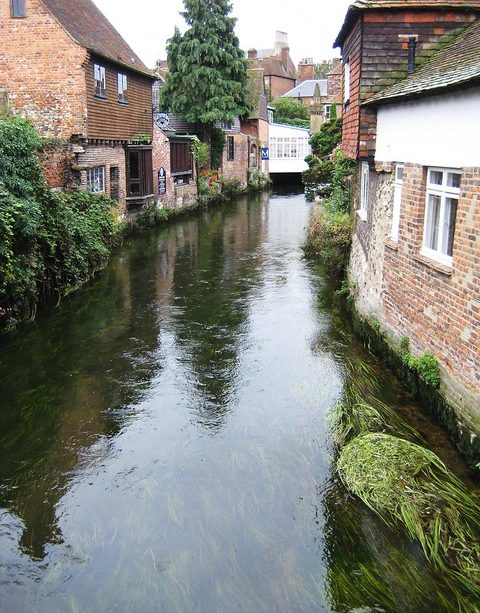
Canterbury, a city in southeast England, is steeped in history and culture, making it a vital point of interest for both tourists and residents alike. Home to the famous Canterbury Cathedral, one of the oldest and most important Christian structures in England, the city showcases a rich tapestry of medieval architecture and modern innovation. Its significance extends beyond tourism; Canterbury is a hub for education, art, and local commerce, shaping the lives of its inhabitants and impacting the wider region.
Historical Significance
The city’s history dates back to Roman times, evidenced by the archaeological remains that continue to intrigue historians and scaffold the city’s identity. Canterbury gained prominence in the 7th century when Augustine of Canterbury arrived, laying the foundations of Christianity in the country. The famed Canterbury Tales by Geoffrey Chaucer further established its literary significance during the Middle Ages. Visitors can explore the medieval city walls, ancient abbeys, and the iconic cathedral which remains a UNESCO World Heritage Site and a pilgrimage destination.
Modern Developments and Challenges
As of 2023, Canterbury faces modern challenges related to urban development whilst maintaining its historical essence. Recent developments aim to balance conservation efforts with economic growth. New housing projects and retail developments are being introduced while strict regulations protect the historical sites. The Canterbury City Council has launched initiatives to enhance sustainable tourism, which is vital for the local economy, contributing significantly to job creation in areas like hospitality and retail.
Impact of COVID-19
The COVID-19 pandemic has profoundly impacted Canterbury’s tourism sector, which saw a dramatic decline in visitor numbers. However, the city is on the path to recovery, with strategies in place to attract visitors back. Enhanced cultural events and local festivals are being restructured to engage community involvement and attraction to local businesses, thus boosting the economy and promoting a sense of community.
Conclusion
Canterbury, with its compelling historical narrative and ongoing modern transformations, represents both the past and the future. As the city continues to navigate the balance of preservation and development, it remains a vital part of the United Kingdom’s cultural landscape. For both residents and visitors, Canterbury offers an enriching experience defined by its heritage and outlook towards sustainable growth. The future looks promising, with ongoing initiatives promising to keep this historical city thriving while respecting its deep-rooted significance.


