Understanding When is the Shortest Day of the Year
The Significance of the Shortest Day
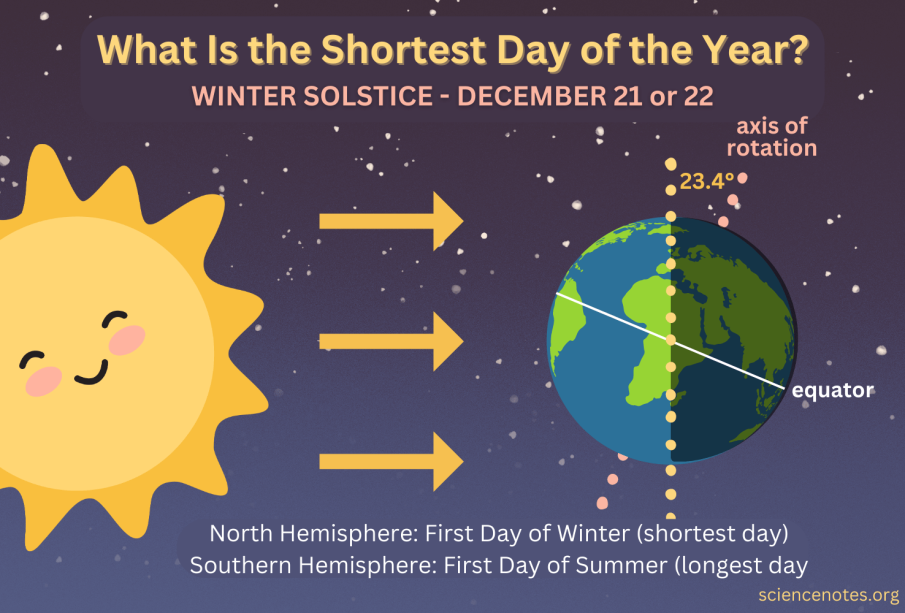
The shortest day of the year, also known as the winter solstice, holds great significance not only in astronomical terms but also culturally and historically. This day marks the point when the Earth’s axial tilt is farthest away from the sun in the Northern Hemisphere, resulting in the least amount of daylight. For those in the UK, this day typically falls on December 21 or 22.
When is the Shortest Day in 2023?
In 2023, the winter solstice will occur on December 21. On this day, the sun will rise around 8:04 AM and set at approximately 3:53 PM in London, leading to a mere 7 hours and 49 minutes of daylight. This stark contrast from the longer summer days underlines the seasonal shifts that affect various aspects of life, from agriculture to daily activities.
Cultural and Historical Context
The winter solstice has been celebrated by various cultures around the world for centuries. In ancient times, it symbolised rebirth and renewal, as people eagerly anticipated the return of longer days. Festivals such as Yule in Germanic traditions, Dongzhi in Chinese culture, and many others reflect the importance of this day across different societies. These celebrations typically included feasts, rituals, and gatherings, fostering community spirit in the face of winter’s harshness.
Effects on Daily Life
The drastically shorter daylight affects people’s moods and behaviours, often resulting in Seasonal Affective Disorder (SAD), a type of depression related to changes in seasons. Communities and health institutions are increasingly aware of this pattern, and many encourage outdoor activities during daylight hours to combat these effects. Moreover, the winter solstice often prompts individuals to reflect on personal goals and the year ahead.
Conclusion
In conclusion, understanding when the shortest day of the year occurs is more than a mere scientific fact; it encapsulates a wider cultural significance and impacts socioeconomic behaviours. As we approach December 21, it invites reflection on the cycles of nature, urging us to appreciate the bringing back of light. Communities can use this time to embrace tradition, share warmth, and prepare for growth as daylight begins to increase once again.


