Understanding Weather Forecast Snow: How Forecasts Work and How to Prepare
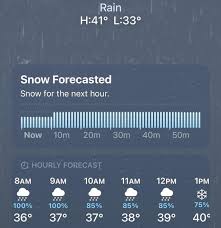
Why a weather forecast snow matters
Snow can disrupt travel, energy supply and everyday life. A clear weather forecast snow is therefore important for individuals, businesses and public services. Accurate forecasts help people make informed decisions about travel plans, school closures, and safety measures for vulnerable groups. Understanding how snow forecasts are produced and what they mean helps readers interpret warnings and prepare appropriately.
How snow forecasts are produced
Data sources and models
Weather forecast snow relies on a combination of observations and numerical weather prediction models. Observations come from satellites, radar, surface stations and upper-air soundings. Meteorologists feed these observations into computer models that simulate the atmosphere. Models provide guidance on temperature profiles, humidity and precipitation type — all critical to determining whether precipitation will fall as snow, sleet or rain.
Probabilities and uncertainty
Forecasters often express snow forecasts in probabilistic terms (for example, a chance of snow or expected accumulation ranges). Small changes in temperature or wind can greatly affect snow occurrence and amounts, especially near freezing. Local topography and urban heat islands also influence outcomes. Reading forecasts as ranges and probabilities, rather than exact certainties, gives a more realistic expectation.
What to look for in a snow forecast
- Timing: when precipitation will start and end;
- Temperature profile: air and ground temperatures determine whether snow will stick;
- Accumulation ranges: expected depth, often given as a range;
- Warnings and alerts: official notices for severe snowfall, travel disruption or flooding from melting snow.
Practical advice and preparation
People should allow extra travel time, check route conditions and consider alternatives to driving during snow events. Households can prepare by ensuring heating and emergency supplies are available, protecting pipes from freezing and making contingency plans for care of dependants or pets. Businesses and organisations should review continuity plans and communicate clearly with staff and customers.
Conclusion: interpreting forecasts and taking action
A weather forecast snow provides essential guidance but always carries uncertainty. Use official sources for the latest updates, consider probability ranges rather than single numbers, and take proportionate precautions based on the forecast confidence and potential impacts. Doing so reduces risk and helps communities respond safely to winter weather.