Understanding Ultra Processed Foods and Their Health Impacts
Introduction
Ultra processed foods (UPFs) have become increasingly prevalent in modern diets, raising concerns about their impact on public health.
Characterised by their long ingredient lists and the inclusion of substances not typically found in a home kitchen, these products often contain additives such as preservatives, sweeteners, and colourants. With rising obesity rates and diet-related diseases worldwide, understanding the implications of consuming UPFs has never been more critical.
What Are Ultra Processed Foods?
Ultra processed foods are industrial formulations made almost entirely from substances derived from foods or synthesised in laboratories. These often include ingredients like high-fructose corn syrup, hydrogenated fats, and artificial flavourings. Common examples include sugary drinks, packaged snacks, instant noodles, and processed meats.
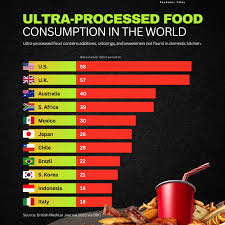
Recent studies, including a comprehensive report by the National Health Service (NHS), highlight that UPFs contribute significantly to the daily calorie intake of populations, particularly in developed countries. In the UK, reports suggest that around 50% of the average person’s diet may consist of these processed options.
Health Implications
Research findings presented by nutritional experts indicate several health risks associated with the excessive intake of ultra processed foods. A study published in the British Medical Journal found a direct correlation between higher UPF consumption and increased risks of obesity, cardiovascular diseases, and certain cancers. Additionally, the high sugar and fat contents in these foods can lead to diabetes and metabolic dysfunction.
The reliance on such foods also raises concerns over nutrient deficits, as they often lack essential vitamins and minerals necessary for optimal health. According to the World Health Organisation (WHO), replacing UPFs with whole foods—such as fruits, vegetables, lean meats, and whole grains—could significantly reduce obesity and other chronic diseases.
Conclusion
The rising availability and marketing of ultra processed foods pose serious challenges to public health. As awareness of their negative health impacts grows, consumers are urged to reconsider their dietary choices. By prioritising whole, unprocessed foods, individuals can take proactive steps towards better health outcomes.
Looking forward, experts recommend policy changes to regulate the production and marketing of UPFs, alongside public health campaigns to educate consumers about making healthier food choices. The future of public health may depend on our collective ability to reduce reliance on ultra processed foods in favour of balanced and nutritious diets.


