Understanding the Wood Burning Stoves Ban in the UK
Introduction
The recent ban on wood burning stoves has become a significant topic of discussion in the UK, especially as environmental concerns rise regarding air pollution and climate change. Wood burning stoves have long been cherished for their ability to provide warmth and a cozy atmosphere, but with increasing evidence of their detrimental effects on air quality, the debate surrounding their use has intensified. This article explores the key updates on the wood burning stoves ban and its implications for households and the environment.
Background on Wood Burning Stoves
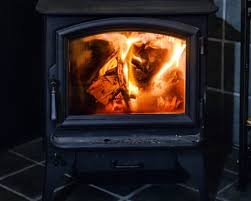
Wood burning stoves are a popular choice for heating in many homes across the UK, offering an alternative to conventional gas and electric heating. However, it has been found that these stoves emit harmful particulate matter and pollutants, contributing to poor air quality, particularly in urban areas. Concerns from health officials and environmental groups have prompted the government to reconsider regulations around their usage.
Government Action and New Regulations
In November 2020, the UK government announced a phased ban on the sale of certain types of wood burning stoves, aiming to limit emissions and encourage cleaner alternatives. Under these new regulations, only appliances that meet stringent environmental standards will be permitted for sale. The key focus is on stoves that comply with the EcoDesign regulations, which stipulate lower emissions and improved energy efficiency.
Moreover, the regulations extend to the type of fuel that can be burned. The use of seasoned wood logs, which produce fewer emissions, is encouraged, while the sale of non-compliant fuels will be restricted. This policy shift is expected to take full effect by 2022 as part of the broader Clean Air Strategy introduced by the government.
Public Reaction
<pThe response to the proposed ban has been mixed. While environmentalists have praised the initiative, arguing it is necessary for public health and environmental conservation, many homeowners and stove manufacturers are concerned about the impact on their heating options and livelihoods. There's also uncertainty regarding how these regulations will be enforced and the adequacy of alternatives for those relying on wood burning stoves for heating.
Conclusion
The ban on wood burning stoves signals a significant shift in policy aimed at improving air quality in the UK. As the country grapples with the challenges of climate change and public health, such restrictions may become increasingly common. Homeowners are encouraged to stay informed about the latest regulations and explore cleaner heating options to ensure compliance while also contributing positively to the environment. The success of this regulation hinges on effective enforcement and the availability of viable alternatives for residents, shaping the future of heating in the UK.


