Understanding the Winter Olympics Medal Table
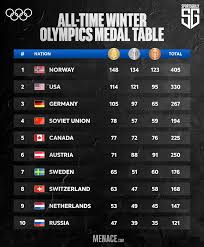
Why the Winter Olympics medal table matters
The Winter Olympics medal table is more than a tally of gold, silver and bronze. It provides a snapshot of competitive balance across nations, reflects the effectiveness of sporting programmes and helps viewers and policymakers assess progress. For athletes and federations, the table is a shorthand measure of success; for broadcasters and sponsors, it frames narratives and viewing interest during the Games.
How the medal table is compiled
Medal tables are typically ordered by the number of gold medals won, with silver and bronze used as successive tiebreakers. Some media outlets and national bodies also publish alternative tables ranked by total medals or weighted scoring systems, but the gold-first method remains the most common international convention. The table is updated continuously throughout the competition and is used to track daily shifts in national standings.
Tie rules and presentation
When athletes tie in an event and multiple medals are awarded, the table reflects the additional medals accordingly. Presentation varies: official Games organisers use standard formats, while different broadcasters may highlight totals or focus on particular nations depending on audience interest.
What the table reveals and its limitations
The medal table highlights which nations perform strongly in winter sports, often correlating with climate, investment in facilities and long-term athlete development. However, it has limitations. It does not capture the depth of competition, the marginal gains that lead to podium finishes, or progress in small nations that may achieve personal bests without a medal. Moreover, sports with multiple medal events can skew comparisons between disciplines and countries.
Implications and what to watch
For readers and fans, the medal table is a tool for following momentum during the Games and for spotting emerging talents or nations improving their winter sport programmes. For policymakers and federations, year-on-year shifts in the table inform funding decisions and strategic priorities ahead of the next Winter Olympics.
Conclusion: significance and outlook
While not a perfect measure, the Winter Olympics medal table remains a central feature of Olympic coverage. It condenses complex competition into an accessible format and drives conversation about performance and investment. In future Games, watch how alternative ranking methods, changing event programmes and the rise of non-traditional winter sport nations influence the picture the table presents.