Understanding the UN Security Council
Introduction: Why the UN Security Council matters
The UN Security Council is central to the United Nations framework, carrying primary responsibility for the maintenance of international peace and security. Its decisions and deliberations are relevant to governments, international organisations and citizens because they shape responses to conflicts, authorise peace operations and frame political efforts to prevent escalation. Understanding the Council’s structure and remit helps readers follow global diplomatic developments and emergency briefings that affect stability worldwide.
Main body: Structure, powers and activities
Composition and voting
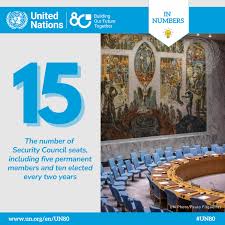
The Security Council has 15 Members. Each Member has one vote when the Council considers substantive and procedural matters. This compact membership is intended to balance representation with the need for operational decision-making on issues affecting international peace and security.
Powers and institutional role
As one of the UN’s principal organs, the Council exercises a range of influential powers. It is involved in the selection process for key UN offices, including aspects of choosing the Secretary-General, and sets mandates for peacekeeping and peace operations. The Council’s procedures also include mechanisms such as veto power, which feature in discussions of how decisions are reached and implemented. The existence of veto arrangements and the Council presidency are elements of its internal governance and procedural dynamics.
Operational work and briefings
In practice, the Security Council oversees peacekeeping missions and engages with political and peacebuilding affairs. It convenes meetings and emergency briefings to address acute crises; such briefings provide member states and the public with timely information and allow the Council to consider responses. The Council also coordinates with other UN bodies, programmes and departments involved in peace and humanitarian work.
Conclusion: Significance and outlook
The UN Security Council remains a key instrument for collective action on threats to international peace. Its compact membership and voting system allow it to act decisively, while its powers and procedures, including veto arrangements and a rotating presidency, shape how and when it responds. For readers, monitoring Council sessions, resolutions and emergency briefings is essential to understanding international efforts at conflict management and peacebuilding. Looking ahead, the Council’s role will continue to be significant as states and the UN system address evolving security challenges and seek cooperative solutions.


