Understanding the Significance of the Nuremberg Trials
Introduction to the Nuremberg Trials
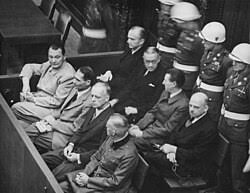
The Nuremberg Trials, held after World War II, are regarded as one of the most significant legal proceedings in history. Occurring between 1945 and 1946, these trials set a critical precedent for international law by holding Nazi war criminals accountable for their actions. The importance of the Nuremberg Trials extends beyond their historical context, influencing modern jurisprudence regarding human rights and the prosecution of war crimes.
Details and Events of the Trials
Conducted in the city of Nuremberg, Germany, the trials were led by the Allied powers, with judges from the United States, the United Kingdom, the Soviet Union, and France. The most notable of these proceedings was the International Military Tribunal (IMT), where 24 principal leaders of the Third Reich were tried. This included high-ranking officials such as Hermann Göring and Joachim von Ribbentrop. The charges ranged from crimes against peace to crimes against humanity, a term that was legally defined for the first time.
The trials not only focused on individual guilt but also questioned the legality of obeying orders under the aegis of war crimes, setting a crucial legal precedent that has influenced numerous subsequent international trials. The Nuremberg principles that emerged from these proceedings laid foundational groundwork for the establishment of later international courts, including the International Criminal Court.
Consequences and Legacy
The outcomes of the Nuremberg Trials were multifaceted. Twelve out of the defendants were sentenced to death, while others received varying prison terms. This was a monumental moment in the evolution of international criminal justice, signifying that individuals, including heads of state, could be held accountable for their actions in a court of law.
Moreover, the trials raised ethical questions about justice, accountability, and the moral foundations of law in times of war. They emphasized the necessity for the international community to take collective action against atrocities and protect human rights. The concept of ‘never again’ became a clarion call for future generations, reminding the world of the horrors of the Holocaust and the need for vigilance against such violations.
Conclusion
The Nuremberg Trials remain a pivotal moment in the history of international law and human rights. They serve as a reminder of the importance of justice, accountability, and the collective responsibility to prevent atrocities. As the world confronts ongoing conflicts and humanitarian crises, the principles established during these historic trials continue to guide contemporary discussions on war crimes and human rights protections, ensuring that the lessons learned remain relevant and influential today.


