Understanding the Shortest Day of the Year: The Winter Solstice
Introduction
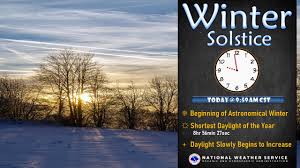
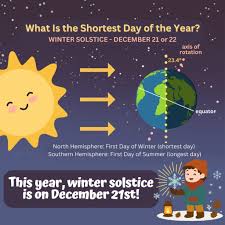
The shortest day of the year, known as the Winter Solstice, occurs around 21st or 22nd December in the Northern Hemisphere. This astronomical event marks the day when the North Pole is tilted furthest away from the Sun, resulting in the least amount of daylight. The Winter Solstice holds immense significance, influencing various cultural traditions, festivities, and it has profound implications for the natural world.
Events and Traditions
Across the globe, different cultures celebrate the Winter Solstice in unique ways. For instance, in Sweden, thousands gather for the Saint Lucia Day on 13th December, a celebration which brings light into the darkness of winter. Meanwhile, in the UK, the ancient stone circle of Stonehenge attracts thousands of visitors who celebrate the dawn of the solstice with various rituals and songs, welcoming back the sun.
In contrast, the Native American tribes have their own ways of acknowledging this change. For example, the Hopi tribe in Arizona performs the “Soyal” ceremony, focusing on the renewal of life and nature. The significance of the Winter Solstice is not only about the joy of longer days to come but also a time for unity, reflection, and hope in many cultures.
The Science Behind the Solstice
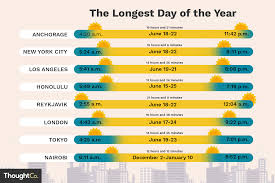
Scientifically, the Winter Solstice indicates an in-depth astronomical occurrence. At this point, the path of the Sun is at its lowest and shortest during the year. In certain locations, this can lead to extreme conditions; for example, areas in the Arctic experience polar nights where the sun does not rise at all for several weeks. Conversely, in the Southern Hemisphere, the Summer Solstice occurs, marking the longest day of the year.
Conclusion
The shortest day of the year signifies more than just a lack of sunlight; it represents a turning point. As the days begin to lengthen once more, we symbolically welcome the return of light and life. This change resonates in many traditions during the winter months, acting as a reminder of the resilience of nature. For many people, the Winter Solstice is not merely a date on a calendar but a source of hope and renewal. Understanding the significance of the shortest day of the year allows us to appreciate the cycles of nature and the cultural heritage that celebrates them.