Understanding the Shortest Day of the Year: The Winter Solstice
Introduction
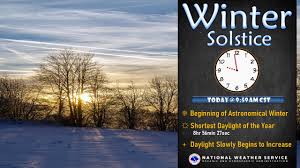
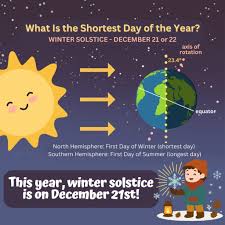
The shortest day of the year, commonly known as the winter solstice, occurs around December 21 or 22 in the Northern Hemisphere. This astronomical phenomenon marks the point at which the Sun reaches its lowest elevation in the sky at noon, resulting in the least amount of daylight for the year. Understanding this event is essential, as it has significant implications for various aspects of life, including agriculture, climate awareness, and cultural traditions worldwide.
The Significance of the Winter Solstice
The winter solstice signifies not only a decrease in daylight hours but also the turning point towards longer days as we head into spring. For ancient civilisations, such as the Romans and Celts, the solstice was a pivotal time for celebrations and rituals, marking the rebirth of the Sun. Today, many cultures still celebrate this event through festivals and gatherings, emphasising themes of renewal and resilience.
Current Trends and Observations
In recent years, the winter solstice has gained particular attention due to climate change discussions. Studies suggest that changes in daylight hours could have prolonged effects on agricultural cycles, wildlife behaviours, and even human health. Investigating these impacts has led to various initiatives aimed at raising awareness about sustainability and the significance of seasonal changes.
Celebrations Around the World
Numerous traditions revolve around the shortest day of the year. In the United Kingdom, many people participate in winter solstice events, such as gatherings at ancient stone circles like Stonehenge. Participants often celebrate the moment of the solstice through music, rituals, and the sharing of food. Similarly, notable celebrations occur in countries like Sweden, where ‘St. Lucia’s Day’ coincides with the solstice, featuring processions of candle-lit figures representing light in the darkness.
Conclusion
The shortest day of the year holds significant cultural, historical, and environmental meaning that resonates with individuals across the globe. As we celebrate the winter solstice in 2023, it is an excellent opportunity for self-reflection and awareness of our planet’s rhythms. By understanding the implications of this astronomical event, we can foster greater appreciation for our environment and the cyclical nature of life. Looking ahead, as climate concerns grow, embracing the lessons of the winter solstice may inspire innovative approaches toward sustainability and harmonious living.