Understanding the Shortest Day of the Year
Introduction
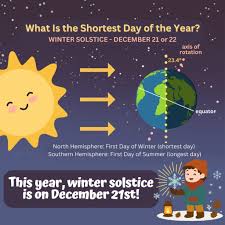
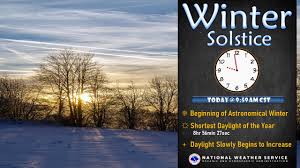
The shortest day of the year, also known as the winter solstice, is an important astronomical event that occurs annually. Typically falling on December 21 or 22 in the Northern Hemisphere, this day is significant culturally and scientifically as it marks the point when the North Pole is tilted furthest away from the Sun. The implications of the shortest day extend beyond mere daylight hours, influencing various aspects of life including climate, agriculture, and cultural celebrations.
Key Events and Facts
On the winter solstice, locations in the Northern Hemisphere experience the fewest hours of daylight and the longest night of the year. For instance, in London, sunrise may not occur until around 8:04 AM, and sunset will occur at approximately 3:53 PM, leading to a day with roughly 7 hours and 49 minutes of daylight. In contrast, areas closer to the Arctic Circle, such as Tromsø in Norway, experience polar nights, where the sun does not rise at all.
This phenomenon is rooted in the Earth’s axial tilt of approximately 23.5 degrees. During the winter solstice, the North Pole is tilted away from the Sun, contributing to shorter days and longer nights. Conversely, the Southern Hemisphere experiences its longest day of the year, with countries like Australia and New Zealand celebrating the arrival of summer.
Cultural Significance
Throughout history, many cultures have celebrated the winter solstice in various ways. In ancient times, societies such as the Romans and Celts held festivals, marking the return of longer days and the rebirth of the Sun. Modern celebrations include Yule in pagan traditions and Christmas festivities that often coincide with this time of year. Many people also take the opportunity to reflect on the past year and set intentions for the upcoming one.
Conclusion
The shortest day of the year is not only a notable astronomical event but also a time for reflection and celebration across cultures. As daylight begins to increase following the solstice, it signifies a shift towards warmer months, inspiring hope and renewal. With the rising awareness of seasonal changes and their impact on well-being, understanding and appreciating the longest nights can enrich our lifestyle and community connections.