Understanding the Shortest Day of the Year
What is the Shortest Day of the Year?
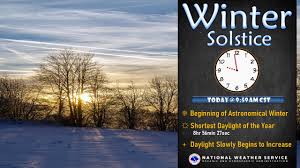
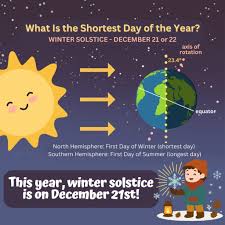
The shortest day of the year, known as the winter solstice, occurs around December 21 in the Northern Hemisphere. It is the day with the least amount of daylight and the longest night, making it an important date in various cultures and astronomical studies.
The Science Behind the Shortest Day
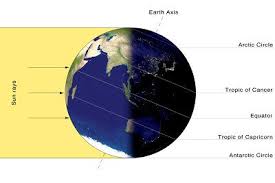
The phenomenon occurs due to the axial tilt of the Earth as it orbits the sun. During the winter solstice, the North Pole is tilted furthest away from the sun, resulting in a reduced amount of sunlight reaching this hemisphere. In contrast, countries in the Southern Hemisphere experience their longest day and maximum sunlight during this time.
Global Significance and Traditions
Many cultures celebrate the winter solstice with various festivals and rituals. For example, in ancient cultures, the solstice was a time of celebration, symbolizing the rebirth of the sun. The Yule festival, still celebrated in some European countries, involves various traditions associated with nature and the return of light. Similarly, in countries like Sweden, the festival of Lucia honours light amidst the dark winter.
Modern Observations
In contemporary society, the winter solstice has become a focal point of environmental awareness. It marks the turning point after which days begin to lengthen again, leading to longer daylight hours as spring approaches. Many people today engage in activities such as solstice gatherings, which encourage reflection and appreciation for nature.
Conclusion: Looking Ahead
The significance of the shortest day of the year extends far beyond mere daylight hours. It signifies a time of transition, hope, and renewal. As the days start to grow longer again, the winter solstice can serve as a reminder to embrace change and look forward to the brighter days ahead. For many, it’s also an opportunity to connect with nature and appreciate the cycles that govern our world. Understanding the shortest day of the year can enrich our awareness of time and the changing seasons, fostering a deeper connection to the planet we inhabit.