Understanding the Home Office: A Modern Work Trend
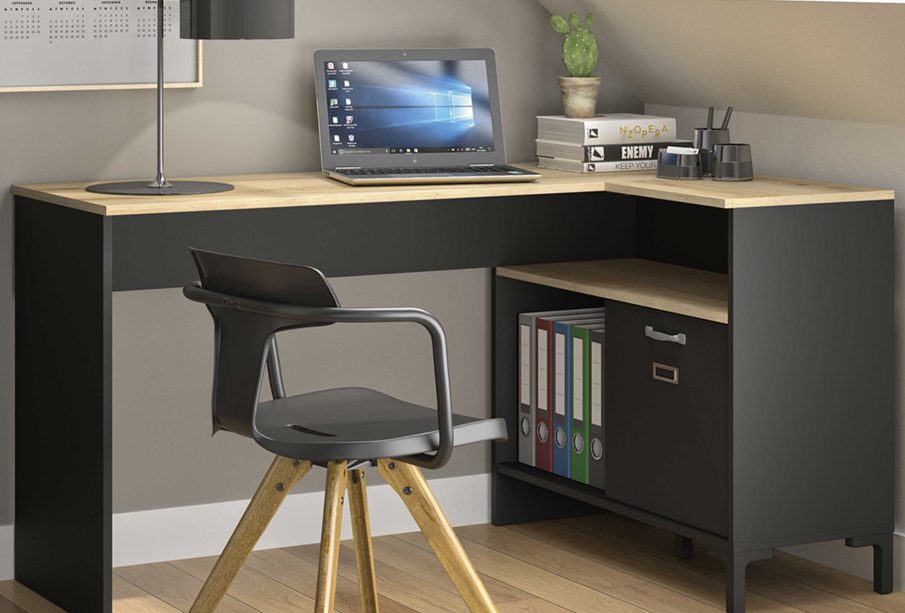
Importance of the Home Office
The home office has transcended from a transitional workspace to a permanent fixture in modern work culture. With the COVID-19 pandemic reshaping traditional workspace dynamics, many companies have adopted flexible work models that allow employees to work from home. This shift highlights the importance of the home office in ensuring productivity and work-life balance, especially in an era where remote work is increasingly viable.
Current Trends in Home Office Usage
As of 2023, various surveys indicate that over 60% of UK employees prefer a hybrid work model, blending home office and office environments. A study conducted by the Office for National Statistics revealed that productivity levels have either remained consistent or surged for many employees working from home. This flexibility enables employees to manage their time effectively and accommodate personal commitments alongside their professional responsibilities.
The demand for home office furniture and technology has also seen significant growth. Retailers have reported an increase in sales of ergonomic desks, office chairs, and tech accessories such as monitors and webcams. Furthermore, companies are investing in home office stipends, allowing employees to create a conducive work environment at home.
Challenges and Solutions
Despite the advantages, working from home presents challenges, including feelings of isolation and difficulties in separating work from personal life. Employees report that the blurring of boundaries can lead to burnout. To mitigate these issues, many organisations are implementing regular virtual check-ins and encouraging employees to set strict work hours to preserve personal time.
Conclusion and Future Outlook
The home office phenomenon is likely to persist even beyond the pandemic, as businesses are increasingly recognising the benefits of remote work arrangements. Future trends may involve more specialised roles in supporting remote teams, innovations in technology that enhance remote collaboration, and continued discussions on work-life balance. As this trend solidifies, it presents opportunities for both employees and employers to redefine the meaning of workplace success in a way that accommodates contemporary lifestyles. Understanding this evolution is crucial for stakeholders aiming to adapt and thrive in the modern work landscape.


