Understanding the Eastern Brown Snake: Risks and Ecological Importance
Introduction
The Eastern Brown Snake (Pseudonaja textilis) holds the title of one of Australia’s most venomous snakes, second only to the inland taipan in potency. Its presence across the eastern regions of Australia, including urban areas, makes it particularly relevant for public awareness regarding safety and conservation. Understanding the behaviour and ecology of this species is crucial for both local communities and wildlife enthusiasts.
Characteristics and Habitat
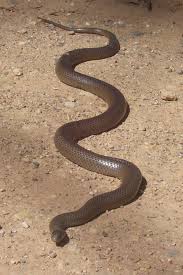
The Eastern Brown Snake is typically identified by its slender, elongated body, which can vary in colour from pale brown to dark chocolate. Adults generally measure between 1 to 2.5 metres in length, with the average size being around 1.5 metres. They inhabit a wide range of environments, including urban areas, forests, grasslands, and farmlands, demonstrating remarkable adaptability to different habitats.
This snake is primarily diurnal, favouring the daylight hours for hunting small mammals, birds, and reptiles. Its diet and predatory behaviour play a significant role in controlling the populations of these species, making the Eastern Brown Snake an integral part of Australia’s ecosystem.
Encounters and Safety
Encounters with the Eastern Brown Snake can be dangerous due to its aggressive nature when threatened. Its venom is neurotoxic, capable of causing paralysis or even death if left untreated. In recent years, there have been several reported bites, primarily occurring in suburban areas where snakes have been disturbed in their natural habitat.
Authorities recommend practical safety measures such as avoiding tall grass, wearing boots when walking in snake-prone areas, and educating the community about the snake’s habits. Emergency protocols include seeking immediate medical attention in the event of a bite, as antivenom is readily available and highly effective if administered promptly.
Conservation Status
Despite its notoriety, the Eastern Brown Snake faces threats from habitat destruction and climate change. Urbanisation significantly reduces available habitats, prompting this species to adapt closer to human activities. Conservation efforts are essential not only for the preservation of the Eastern Brown Snake but also for maintaining biodiversity within its ecosystem.
Conclusion
Understanding the Eastern Brown Snake is crucial for both safety and conservation. With growing urban development in Australia, education regarding this species can help reduce human-snake conflicts and promote respect for wildlife. As communities learn more about this remarkable yet perilous snake, they will be better equipped to coexist safely, ensuring that the ecological balance remains intact for future generations.


