Understanding the Championship League Table
Introduction: Why the championship league table matters
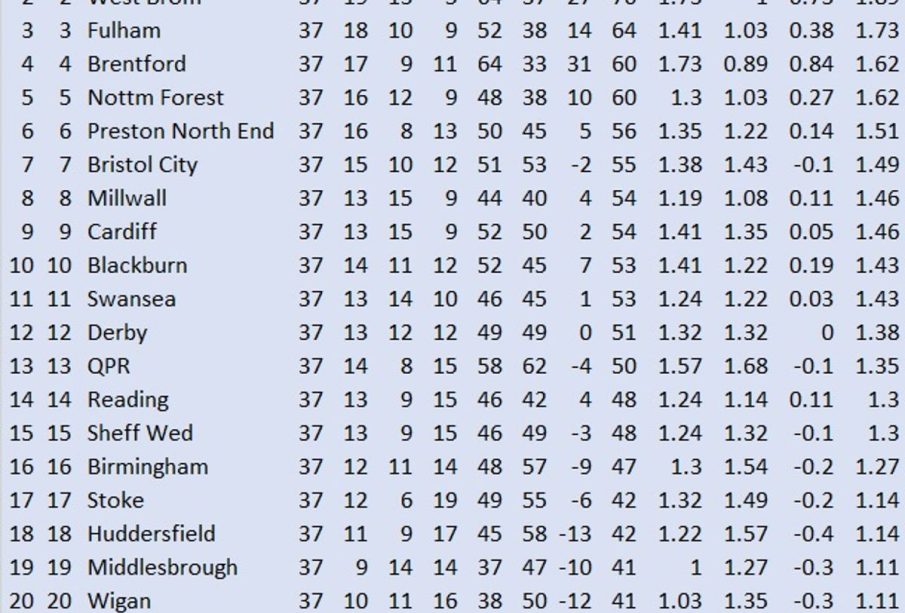
The championship league table is the central tool for tracking performance across a league season. Whether following a national second tier, a regional competition, or a club championship, the table summarises teams’ records and determines outcomes such as promotion, play-off qualification and relegation. For supporters, coaches and analysts, a clear grasp of the table is essential for assessing form, planning strategy and understanding the stakes of each fixture.
Main body: Reading and interpreting the table
Core columns and what they mean
A typical championship league table lists teams in order of position and includes several standard columns: matches played (Pld), wins (W), draws (D), losses (L), goals for (GF), goals against (GA), goal difference (GD) and points (Pts). Points are usually awarded for match results (for example three for a win, one for a draw, none for a loss). Goal difference (GF minus GA) is a common tiebreaker when teams have equal points.
Tiebreakers and rankings
If teams finish level on points, competition rules set the hierarchy of tiebreakers: goal difference, goals scored, head-to-head results or even a play-off. The precise order varies by competition and is specified by the league’s regulations. Understanding these rules helps fans and clubs gauge realistic scenarios late in the season.
Promotion, play-offs and relegation
The table’s top and bottom positions carry concrete consequences. Top-ranked teams may secure automatic promotion to a higher division, while additional spots are often decided via play-offs involving teams finishing immediately below automatic places. Conversely, teams at the foot of the table typically face relegation to a lower tier. These outcomes make each point and each goal significant throughout the campaign.
Updates, sources and reliability
League tables are updated after each round of fixtures. Official league websites, recognised broadcasters and reputable sports data providers are the most reliable sources. When consulting a table, check the timestamp and competition rules to ensure accurate interpretation.
Conclusion: Significance for readers
For supporters, analysts and participants, the championship league table is more than numbers: it narrates the season’s competitive map and shapes tactics, transfers and expectations. Regularly consulting an up-to-date table helps forecast promotion or relegation chances, identify momentum shifts and appreciate the wider context of individual matches. Always refer to official competition rules for definitive outcomes and tie-breaking procedures.


