Understanding the Buncefield Explosion and Its Consequences
Introduction
The Buncefield explosion, which occurred on December 11, 2005, in Hemel Hempstead, England, remains one of the largest explosions in British history. Understanding this catastrophic event is crucial not only for the lessons learned in safety regulations but also for the long-term impact on local communities and policy changes in the oil and gas industry.
Key Events of the Explosion
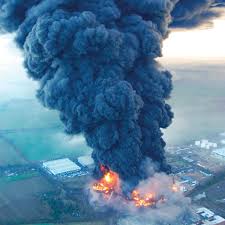
On that fateful morning, a series of massive explosions rocked the Buncefield oil terminal. The incident resulted from a vapour cloud igniting due to a leak from a tank holding over 2 million litres of petrol. The explosion was powerful enough to register on the Richter scale as a 2.4 magnitude event, shaking buildings over 40 miles away. The aftermath was devastating: around 40 people were injured, with damage costs estimated at £1 billion, leading to extensive rebuilding and recovery efforts.
Investigations and Findings
The subsequent investigations revealed significant lapses in safety management and regulatory oversight. The Health and Safety Executive (HSE) conducted a thorough inquiry, which highlighted the need for a comprehensive assessment of risks associated with storage tanks and the importance of establishing stricter safety protocols. Following the disaster, substantial changes were implemented, including the introduction of new regulations aimed at better monitoring of hazardous facilities.
The Impact on Safety Regulations
The Buncefield explosion is a pivotal case study in industrial safety. It prompted a reassessment of safety standards within the oil and gas sector across the UK and Europe. The changes led to improvements in risk assessment procedures, emergency planning protocols, and community engagement related to hazardous sites. The explosion led to the establishment of the Buncefield Major Incident Investigation Board (MII), which sought to improve safety measures across similar facilities.
Conclusion
The Buncefield explosion serves as a grim reminder of the potential risks associated with industrial operations. The tragedy galvanized efforts in regulatory reform, resulting in enhanced safety measures that protect both workers and local communities. As the industry continues to evolve, the lessons learned from Buncefield remain relevant, ensuring that safety continues to be at the forefront of operations in potentially hazardous environments.