Understanding the Balkans: A Look Into the Region’s Significance
Introduction
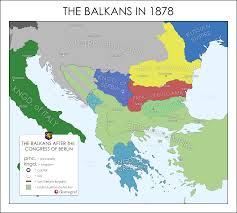
The Balkans, a region in Southeast Europe, is renowned for its rich tapestry of cultures, languages, and histories. With countries such as Albania, Bosnia and Herzegovina, Bulgaria, Croatia, Kosovo, Montenegro, North Macedonia, Romania, Serbia, and Slovenia, the Balkans holds a critical place in European geopolitics. Its significance is exacerbated by its strategic location that connects Western Europe with the Middle East, as well as its historical context of past conflicts and current diplomatic efforts.
Current Events in the Balkans
In recent years, the Balkans have witnessed various events that affect both local populations and international relations. One significant issue is the ongoing tension between Serbia and Kosovo. Following Kosovo’s declaration of independence in 2008, the two nations have engaged in a series of negotiations facilitated by the European Union. Recent dialogues have aimed at normalising relations, but progress remains slow, with both sides entrenched in their positions.
Moreover, the region currently faces economic challenges aggravated by the global pandemic. The Balkans has been particularly vulnerable to economic shocks, and countries like Bosnia and Herzegovina are grappling with high unemployment rates and sluggish growth. Efforts for economic recovery are now more critical than ever, with international organisations like the International Monetary Fund (IMF) stepping in to offer support.
Cultural exchanges and tourism also play a vital role in shaping the region’s identity. Destinations such as Dubrovnik in Croatia and the historic city of Mostar in Bosnia attract millions of visitors each year, fostering a sense of shared heritage and cooperation among Balkan nations.
Conclusion
The Balkans continue to be a region under transformation, with a mix of challenges and opportunities. The ongoing dialogue between Serbia and Kosovo is fundamental to establishing long-term peace and stability in the area, while economic recovery efforts must be a priority for national governments. As European integration becomes a crucial factor, the Balkans’ path towards the future will depend on its ability to overcome historical divides and embrace collaboration across borders. For readers, keeping an eye on the Balkans offers insights into the broader dynamics of Europe’s political landscape and cultural exchanges that could define the region’s future.


