Understanding the American Revolutionary War
Introduction
The American Revolutionary War, fought from 1775 to 1783, marked a pivotal moment in history, as it led to the birth of the United States of America. This conflict between the Thirteen American Colonies and Great Britain was triggered by growing tensions over governance and taxation, ultimately shaping the very foundation of modern democracy. Understanding the causes and effects of this war is vital for comprehending the evolution of American society and its political ideals.
Causes of the War
Several factors fueled the revolutionary sentiments among the colonists. Key among these were the imposition of taxes without representation, exemplified by the Stamp Act of 1765 and the Townshend Acts of 1767. Moreover, British military presence and control over colonial trade further exacerbated tensions. The Boston Tea Party in 1773 symbolised colonial defiance, culminating in a unified response to British rule.
Key Events and Battles
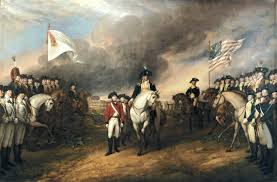
The war officially began with the battles of Lexington and Concord in April 1775, marking the first military engagements between the colonies and British troops. Notable battles such as the Battle of Bunker Hill, Saratoga, and Yorktown were pivotal, with the latter leading to British General Cornwallis’s surrender in 1781. The involvement of foreign powers, notably France, played a crucial role in bolstering the American cause, ultimately tipping the scales in favour of the revolutionaries.
Impact and Legacy
The conclusion of the war was formalised with the Treaty of Paris in 1783, granting the United States independence. The Revolutionary War not only established a new nation but also served as an inspiration for democratic movements worldwide. The principles enshrined in the Declaration of Independence and subsequent constitutional frameworks have influenced numerous societies seeking self-determination and liberty.
Conclusion
The American Revolutionary War represents a defining chapter in global history, embodying the struggle for freedom and rights. Its significance continues to resonate today, reminding us of the importance of civic involvement and the ongoing fight for justice and equality. As the world reflects on this monumental event, it serves as both a lesson and a beacon of hope for future generations striving for democratic ideals.