Understanding Ofsted Report Cards and Their Importance
Introduction to Ofsted Report Cards
In the UK, the Office for Standards in Education, Children’s Services and Skills (Ofsted) plays a critical role in assessing the quality of education. Ofsted report cards have become essential tools for parents, educators, and policymakers alike. These reports not only highlight the performance of schools but also influence public perception and funding decisions. As schools face increasing scrutiny, understanding the content and implications of these report cards is vital.
What Are Ofsted Report Cards?
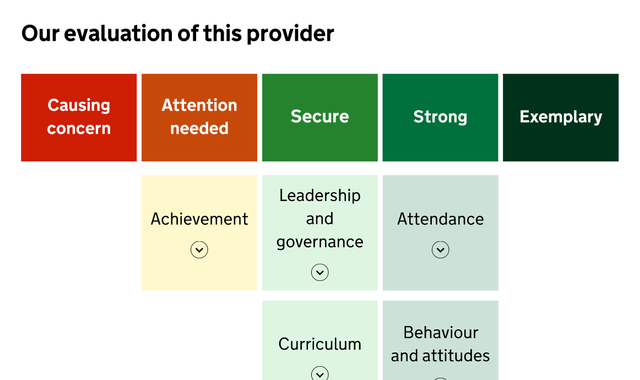
Ofsted report cards are detailed assessments of schools in England, summarising their performance in a variety of areas, including teaching quality, student outcomes, and overall effectiveness. The reports are generated following inspections conducted by Ofsted inspectors, who observe classes, review student work, and communicate with staff and students. The grades awarded range from ‘Outstanding’ to ‘Inadequate’, providing a straightforward overview of a school’s performance.
The Latest Developments
Recently, Ofsted has updated its approach to inspection to align with changing educational standards and societal needs. New frameworks have been introduced, placing a greater emphasis on curriculum intent and implementation. In 2023, nearly 5,000 schools were inspected, revealing that approximately 20% of schools achieved the highest rating of ‘Outstanding’. However, data showed that some schools continue to struggle, particularly in disadvantaged areas.
The Impact of Ofsted Report Cards
The impact of Ofsted report cards is multifaceted. Parents use them to make informed decisions about their children’s education, while schools aim to improve their ratings to attract more students and funding. Furthermore, local authorities and the government rely on these reports to identify where support is most needed. Critics, however, argue that excessive focus on grades can lead to teaching to the test, undermining a broader educational experience.
Conclusion: The Future of Ofsted Report Cards
As the educational landscape continues to evolve, so too will Ofsted report cards. There’s an increasing push for transparency and a more holistic view of educational quality beyond simple grading. The ongoing dialogue around educational equity suggests that future Ofsted frameworks may further incorporate measures of student wellbeing and engagement, ensuring that all children receive a well-rounded education. For parents and educators, staying informed about changes in Ofsted practices will remain crucial in navigating the complexities of the UK’s education system.


