Understanding O2’s 3G Network Shutdown
Introduction
The recent decision by O2 to shut down its 3G network has raised significant discussions regarding the future of mobile communication in the UK. As technology continues to evolve, the transition from older 3G services to faster, more efficient 4G and 5G networks represents a critical step for both telecommunications providers and their customers. The implications of this shift touch upon various aspects, from connectivity and service reliability to the impact on devices reliant on older technologies.
Details of the Shutdown
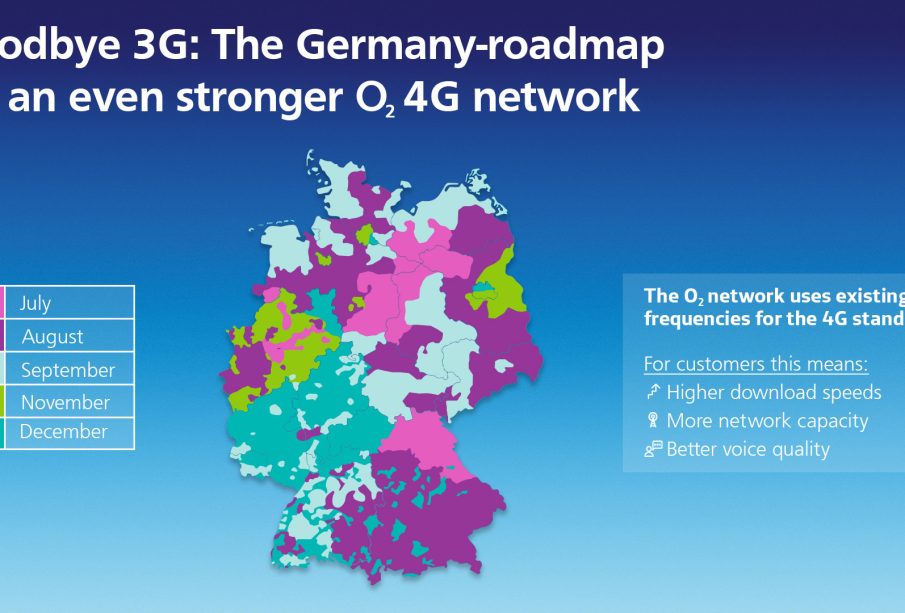
On 1st September 2023, O2 officially ceased its 3G network operations. This decision came after a gradual phase-out plan that began in 2021, in which O2 encouraged users to upgrade their devices and plans to take advantage of enhanced data speeds and capabilities available through 4G and 5G technology.
This move aligns with broader industry trends where network providers are focusing resources on expanding and improving their 4G and 5G infrastructures. O2 reports that nearly 99% of its customers now use 4G or 5G networks, signalling a widespread shift among consumers.
Impact on Users
For many users, the shutdown of the 3G network means that older mobile phones and devices that only support 3G will no longer be able to connect to the mobile network. This has prompted a wave of upgrade announcements from both O2 and third-party retailers, as many phones released pre-2014 may not be compatible with faster networks. O2 is actively promoting a series of deals and discounts to encourage customers to transition to newer, more capable devices.
Significance for the Industry
O2’s shutdown reflects a notable trend in telecommunications as several major players, including Vodafone and EE, plan similar phasing out of legacy networks. This strategy enables providers to allocate resources more effectively and invest in further enhancements to 4G and 5G services, which promise dramatically improved speeds, lower latency, and enhanced connectivity for IoT devices.
Conclusion
As O2 moves forward with its 3G network shutdown, it signifies not just a change in technology but also a strategic move to cement its position in the competitive telecommunications landscape. Customers will benefit from improved services, and the industry will continue evolving towards a more interconnected and efficient digital future. Observers anticipate that other providers will follow suit in the coming years, driving the adoption of modern technologies while phasing out outdated systems.


