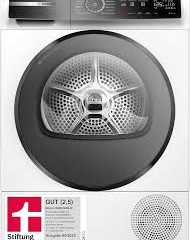
Understanding Heat Pump Tumble Dryers: An Eco-Friendly Choice
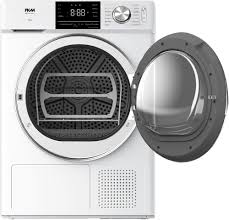
Introduction
As energy prices continue to rise and environmental concerns become increasingly pressing, the spotlight has turned to innovative home appliances that promise efficiency and sustainability. Among these, heat pump tumble dryers have gained popularity due to their energy-saving features and eco-friendly operation. In 2023, understanding the advantages and mechanics of heat pump tumble dryers is essential for consumers aiming to reduce their carbon footprint while maintaining effective laundry routines.
What is a Heat Pump Tumble Dryer?
A heat pump tumble dryer operates on a different principle than traditional vented or condenser dryers. It employs a heat pump system to recycle hot air within the dryer rather than expelling it outside. This allows the machine to use much lower temperatures to dry clothes, which not only conserves energy but also reduces wear and tear on fabrics.
Benefits of Heat Pump Tumble Dryers
The most significant advantage of heat pump tumble dryers is their energy efficiency. According to the Energy Saving Trust, heat pump models can use up to 50% less energy than traditional dryers. This reduction not only translates into lower electricity bills but also contributes positively to the environment by lowering energy consumption.
Additionally, heat pump dryers tend to be gentler on clothing, helping to preserve the lifespan of garments. With a more gentle drying process, users can expect less shrinkage and fading, making them a worthwhile investment for families and individuals alike.
Current Trends and Developments
Recent developments in heat pump technology have further enhanced the performance of these dryers. Brands are now incorporating smart technology, enabling users to control and monitor their appliance remotely via smartphone applications. This feature can help optimise drying cycles and ensure that laundry is managed even when users are not at home.
Moreover, government regulations and incentives aimed at promoting energy-efficient appliances have led to increased consumer interest in purchasing heat pump dryers. The UK government, in an effort to support green initiatives, is encouraging households to consider investing in eco-friendly appliances through various subsidy programs.
Conclusion
The heat pump tumble dryer stands out as a prime example of how innovation can meet consumer needs for energy efficiency and sustainability. As energy costs soar and environmental awareness grows, these dryers are positioned to become a standard choice in households across the UK. Investing in a heat pump tumble dryer not only benefits personal budgets but also reflects a commitment to reducing one’s ecological footprint. As manufacturers continue to improve upon existing technologies, the future of laundry drying looks promising, aligning with broader goals for environmental sustainability.