Understanding Flood Warnings and What to Do
Introduction — Why flood warnings matter
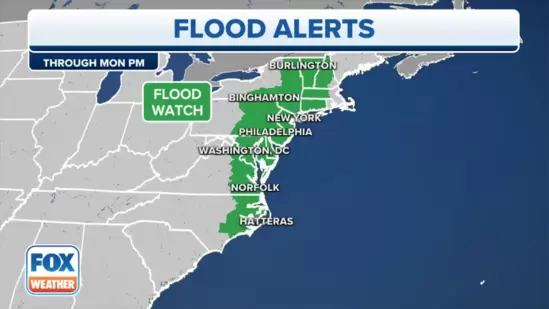
Flood warnings are a critical part of public safety systems. They provide timely information that can protect lives, reduce property damage and help communities plan responses to rising water levels. With more frequent extreme weather events recorded in recent years, clear and reliable flood warnings are increasingly relevant to households, businesses and emergency services.
Main body — How flood warnings work and what they advise
Issuing authorities and warning levels
Flood warnings are typically issued by national and regional agencies responsible for weather, water management and emergency planning. Warnings use tiered levels to indicate severity and recommended action. Common categories include advisory notices that conditions may become hazardous, active warnings advising people to take steps to protect themselves and their property, and severe warnings indicating immediate danger and the need to prioritise evacuation or lifesaving measures.
Communication channels and timing
Agencies communicate warnings through multiple channels: official websites, mobile alerts, radio and television bulletins, and social media. Advance notice varies according to the source of flooding — river, coastal or surface water — and the speed at which conditions change. Effective warnings aim to provide enough lead time for people to relocate to safety, move vehicles and valuable items, and implement flood protection actions.
Recommended public actions
When a flood warning is issued, recommended actions typically include:
- Stay informed via official channels and heed instructions.
- Move to higher ground and avoid floodwater — even shallow water can be hazardous.
- Disconnect electricity and gas at the main if safe to do so and keep critical documents and medicines in a waterproof container.
- Follow evacuation orders and cooperate with emergency services.
Conclusion — Implications and preparing for the future
Flood warnings give communities the opportunity to act before hazards escalate. For individuals and organisations, regular preparedness, clear household plans and awareness of local warning systems are the most effective ways to reduce harm. Looking ahead, authorities and planners will continue to refine warning systems and resilience measures as weather patterns evolve. For readers, staying informed, registering for local alerts and having a simple flood plan can significantly reduce risk when warnings are issued.





